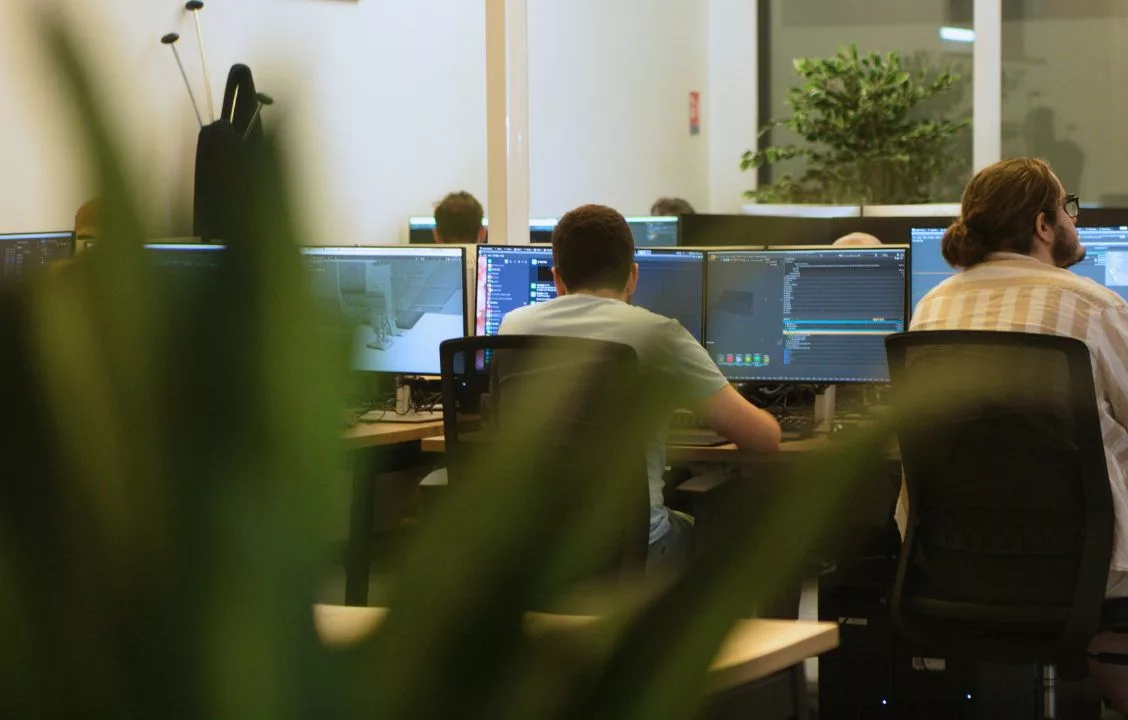
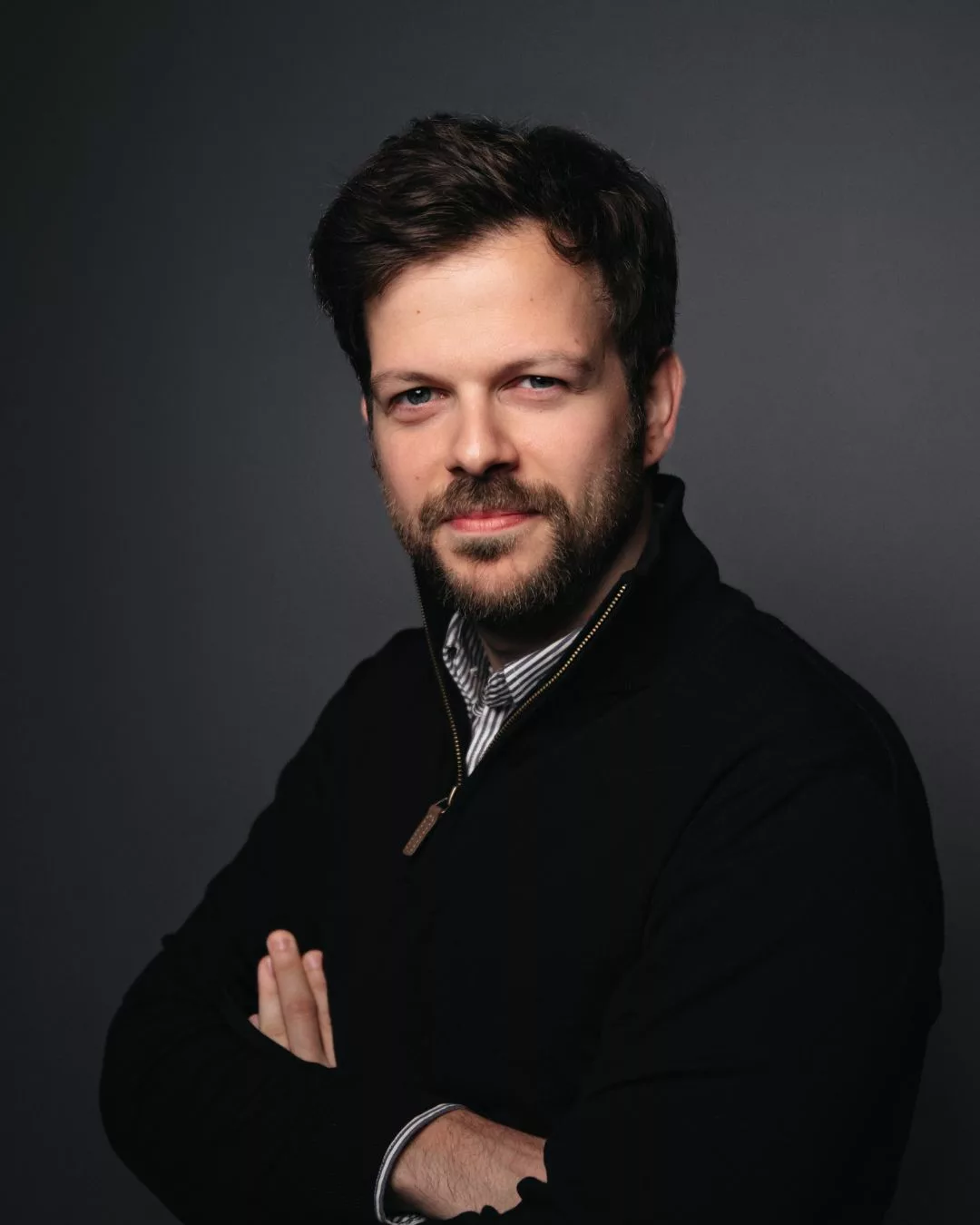
Technical Directors (TDs) play a central role in today’s animation and VFX studios, ensuring production pipelines run efficiently and enabling artists to focus on creativity. Combining technical expertise with a deep understanding of artistic workflows, these highly sought-after profiles are shaping the future of the industry. In this interview conducted by Carine Poussou, Head of Education at ArtFX, Alexis Oblet, CTO of The Yard VFX, shares valuable insights into the role of Technical Directors and the skills required to succeed in VFX and animation.
Below are some key take-aways from the orginal interview in French, published on La Forge, ArtFX’s thought-leadership blog.
Building what no one sees but everyone relies on
When we think about visual effects, we think about the final image with spectacular shots, seamless worlds, invisible illusions. What we don’t see is the entire technical ecosystem that makes them possible.
At The Yard VFX, that invisible layer is constantly evolving to keep up with the demands of ambitious productions. When Alexis Oblet joined the studio back in 2021, the challenge was clear: support rapid growth while maintaining stability and performance. In less than a year, the team expanded from 10 to 100 people—a shift that required a complete reinvention of the studio’s technical foundations.
Pipelines, infrastructure, storage, deployment: every component had to be rethought to handle increasing complexity and scale. Systems needed to absorb massive volumes of data, support multiple productions simultaneously, and remain reliable under pressure.
In this context, the role of the CTO is not just to build, but to anticipate, structure, and adapt. Because in VFX, creativity can only thrive when everything behind the scenes works seamlessly, even as the scale keeps growing.
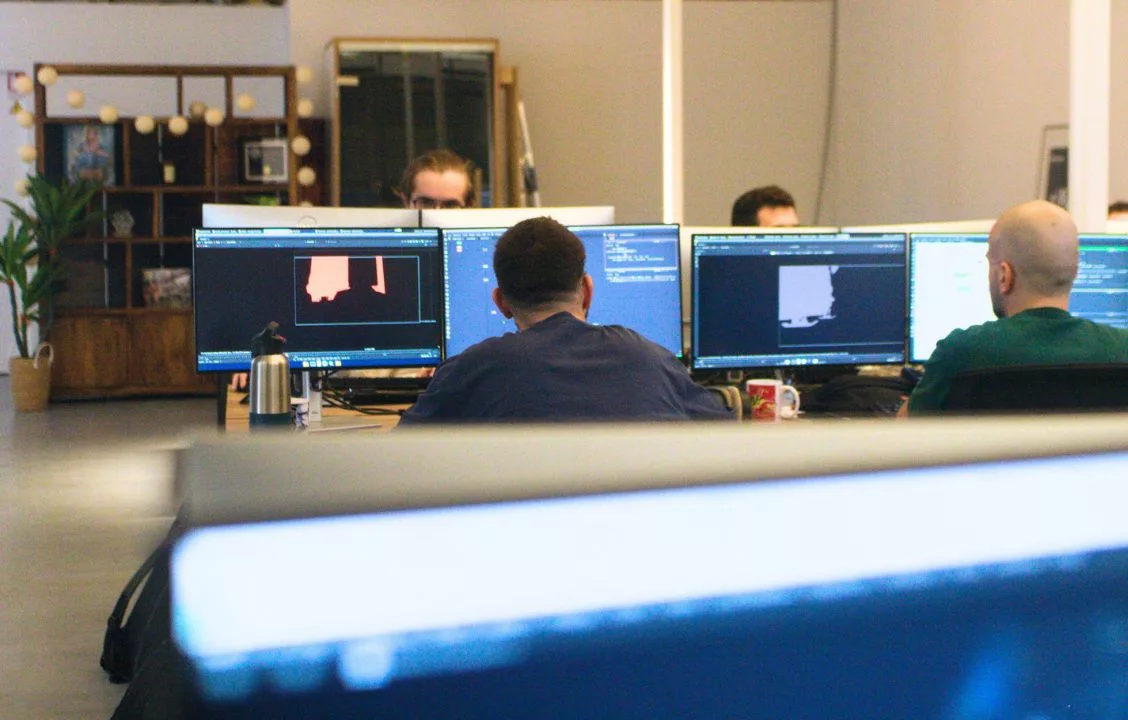
The TD: where technology meets artistry
This is where the Technical Director comes in.
Positioned between software and creative teams, TDs don’t just build tools but bridges between industry-standard software and custom solutions. Combined with the workflows they design, they allow artists to work faster, iterate freely, and focus on what truly matters: creativity. More than just technical experts, they bring a rare and powerful hybrid mindset, combining strong analytical thinking with a deep understanding of artistic intent. This ability to see both the code and the final image makes them indispensable in an industry where complexity is constantly increasing.
The Technical Director may remain behind the scenes, but their impact is everywhere. They are the ones who make complexity manageable. They don’t just execute tasks; they enable entire teams to perform better.
As productions grow in scale and ambition, the TD is no longer just a support role—they are a key driver of innovation, enabling studios to turn creative vision into reality.