Meet the Yardeners – the passionate team at The Yard, who cultivate every day the seeds of creativity, transforming them into striking visual effects, fruitful collaborations, and unforgettable stories.
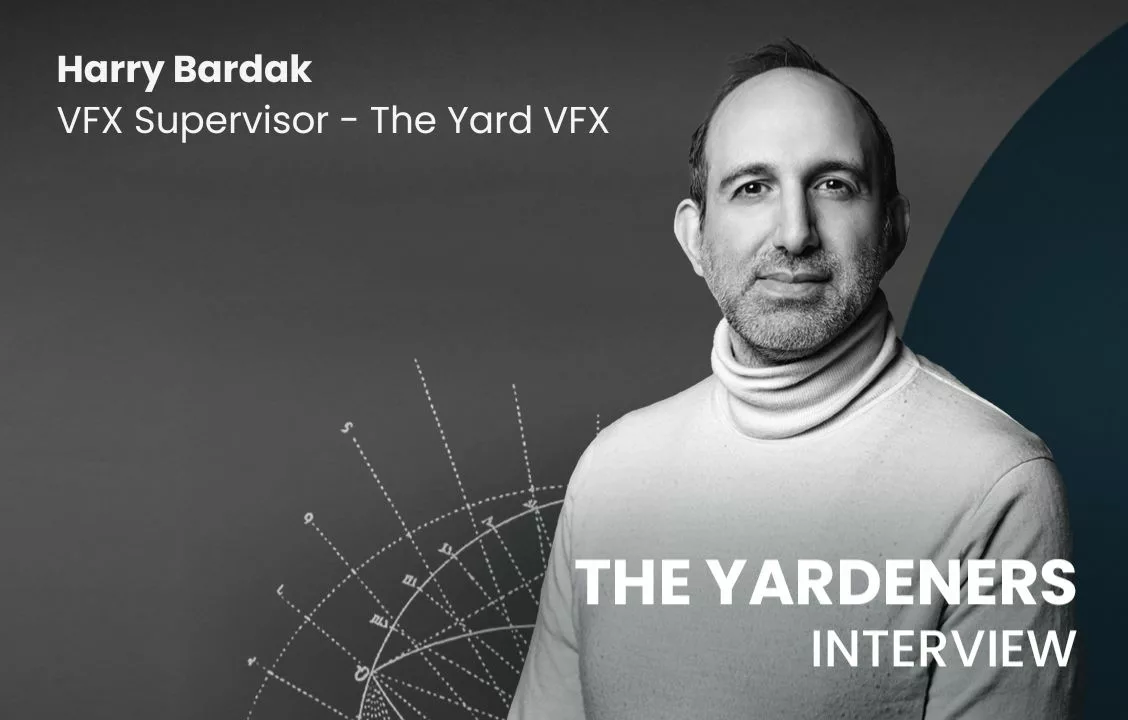
We’re excited to dedicate this new edition to our talented VFX Supervisor, Harry Bardak. With more than 25 years in the VFX industry, Harry has built a distinguished career evolving from compositing and CG artist to supervisor roles in the UK and France.
Hello Harry ! Could you please explain your current role at The Yard ?
As a VFX Supervisor at The Yard, my role is to bridge the creative vision of the director and production team with the technical and artistic work of our artists. I oversee projects from pre-production through final delivery, helping define the visual approach, planning methodologies, reviewing shots, and ensuring that the final work meets both creative and technical expectations. A large part of the job is communication—aligning clients, production, and artists around a common goal while maintaining quality and schedules.
Another aspect of my role that I particularly enjoy is researching and implementing new technologies. VFX is constantly evolving, and staying ahead of the curve is essential. I enjoy exploring new tools and workflows, assessing their potential, and finding ways to integrate them into production when they can help artists work more efficiently or unlock new creative opportunities. Innovation only becomes meaningful when it solves real production challenges, so a big part of the job is turning promising technology into practical solutions.
What brought you to VFX ?
I’ve always been fascinated by the combination of storytelling, technology, and visual art. VFX sits at the intersection of all three. What initially attracted me was the ability to create things that don’t exist in reality while still making them feel believable.
Over time, I became interested not only in creating individual shots but also in understanding how entire sequences and productions come together, which naturally led me toward supervision.
What do you find great about supervising the visual effects on a project ?
The most rewarding aspect is seeing hundreds of individual creative and technical decisions come together into something that serves the story. I enjoy helping artists solve complex problems and finding practical ways to achieve ambitious creative goals.
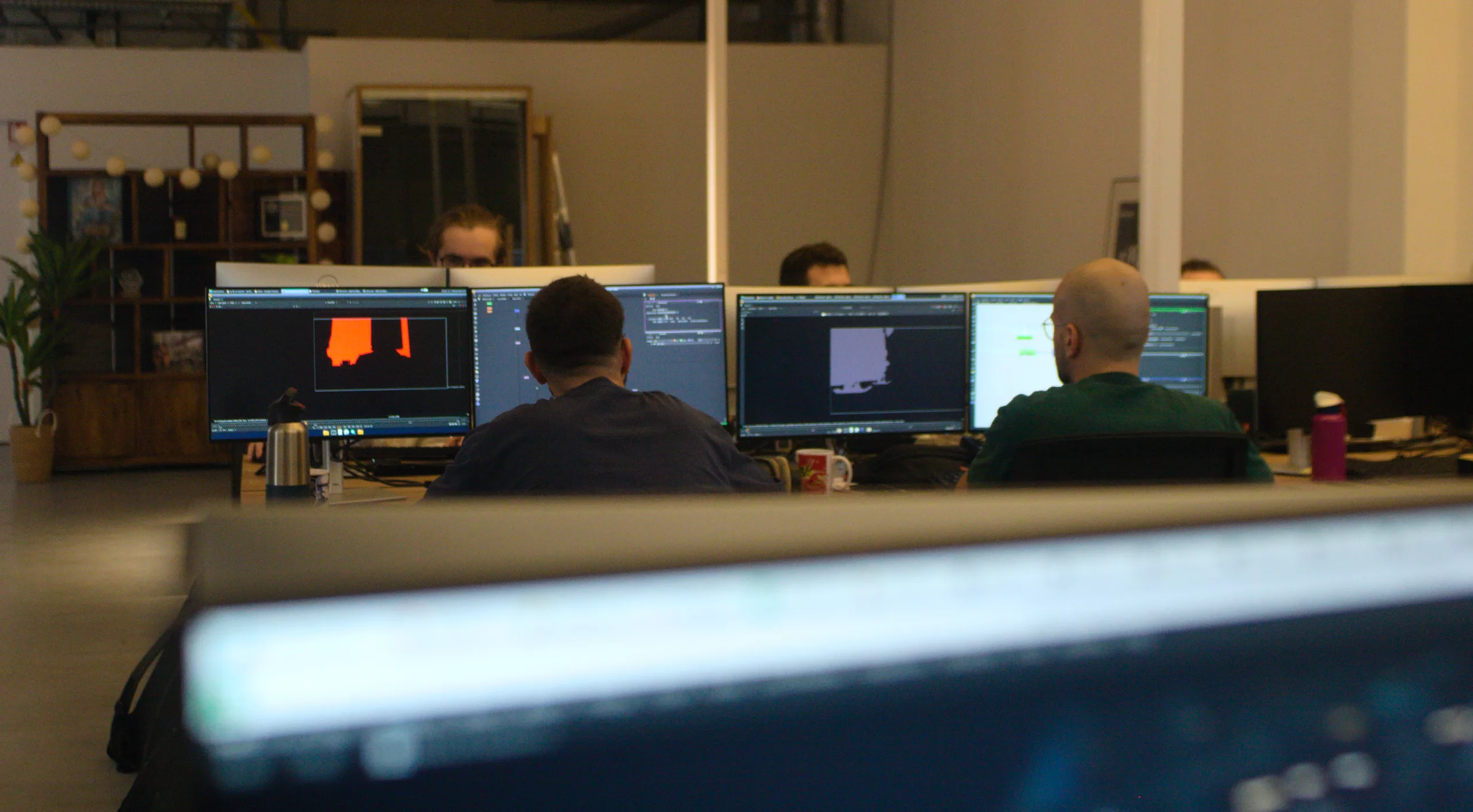
It’s also incredibly satisfying when audiences don’t think about the VFX at all because they are fully immersed in the story.
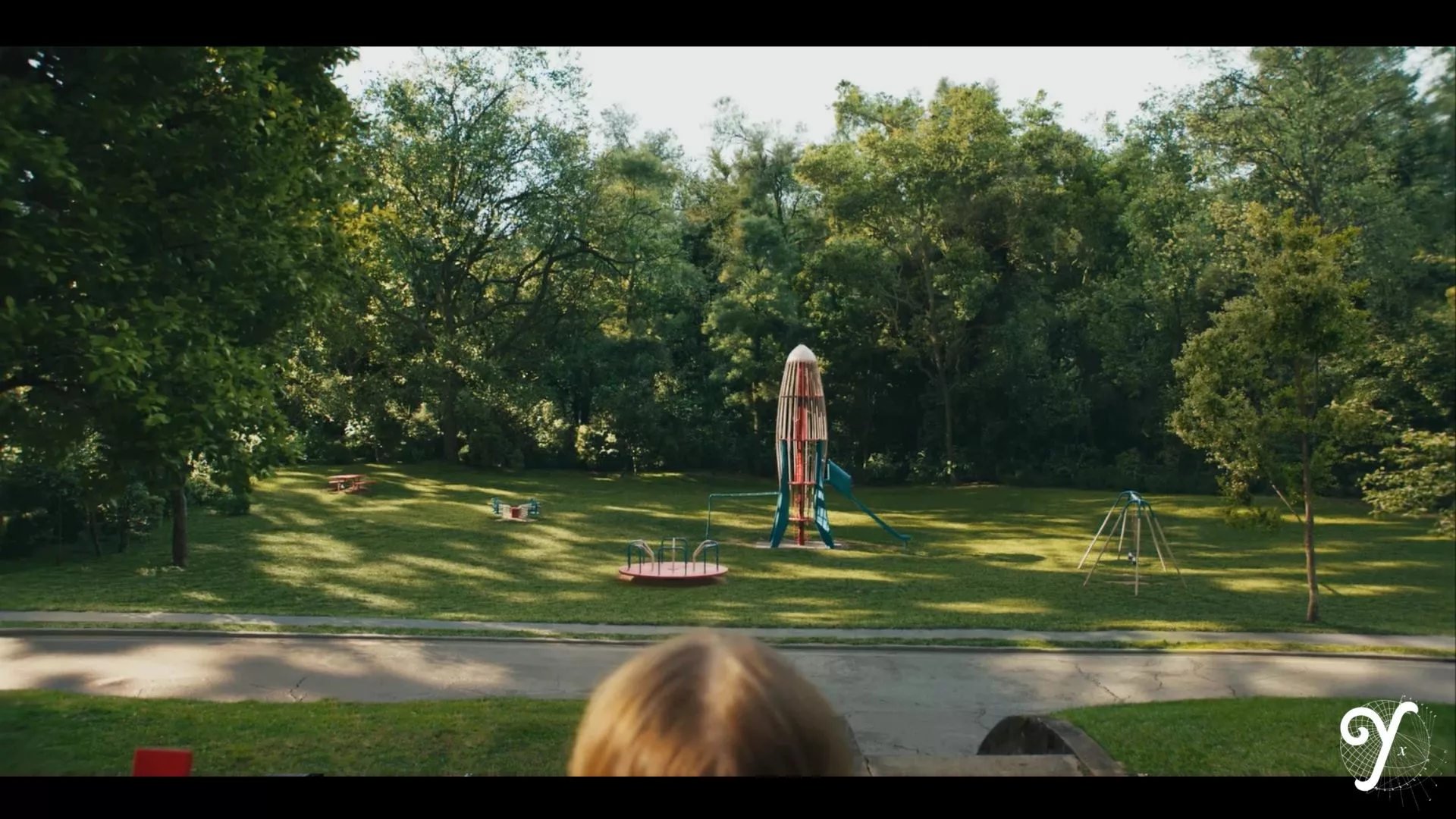
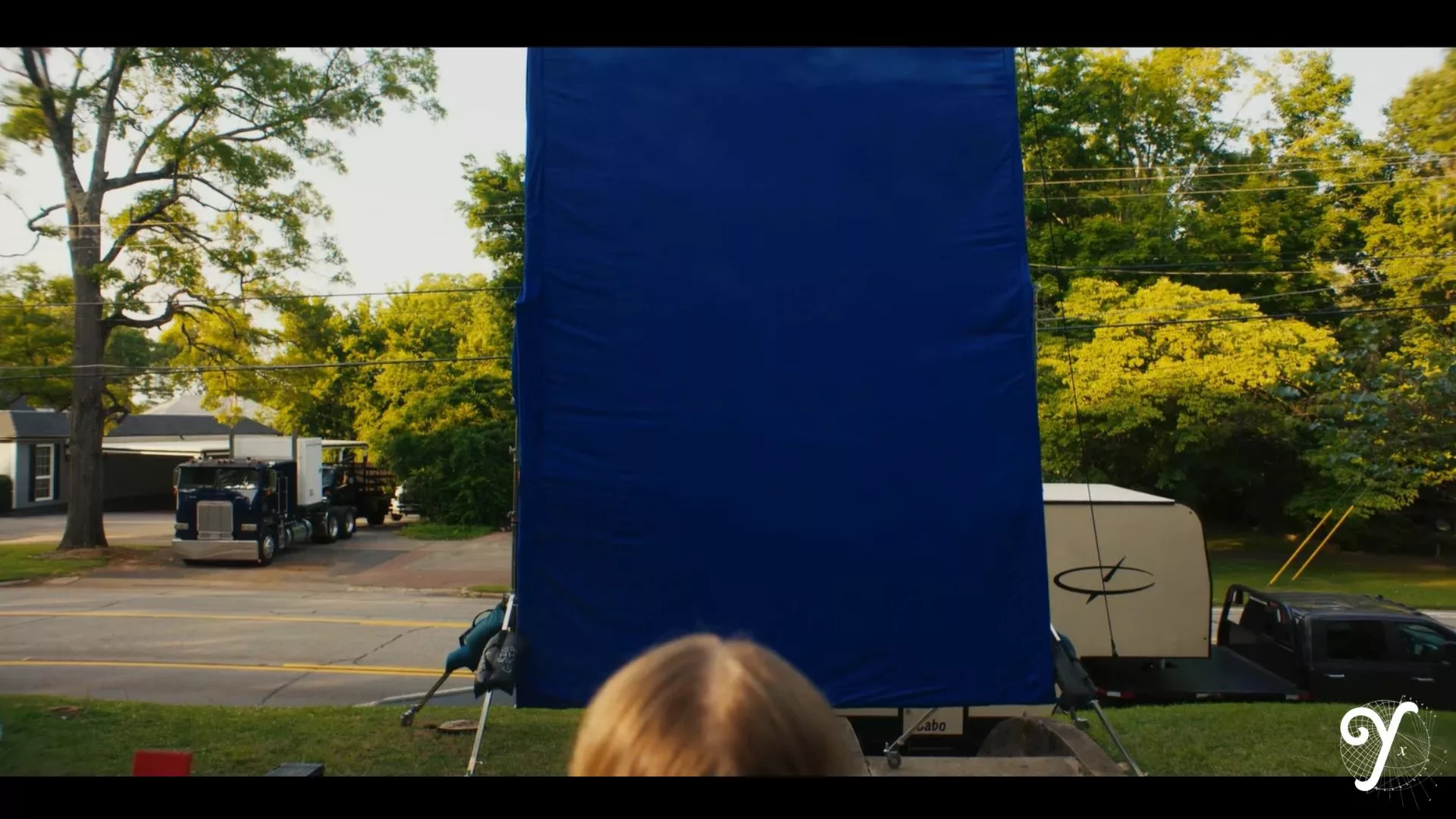
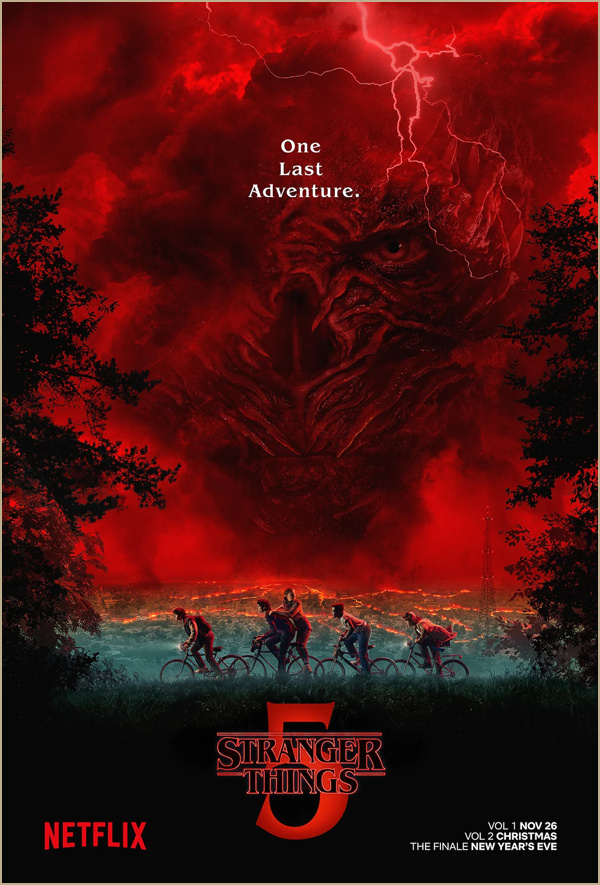
We recently experienced that with Stranger Things 5, where many viewers were amazed to learn how many invisible visual effects were used in the environments and sets—proof that the work had done exactly what it was meant to do.
Could you share the main challenges in your role ?
Balancing creative ambition with practical constraints is probably the biggest challenge. Every project has limitations—budget, schedule, available data, changing creative direction, or production realities. The supervisor’s job is often about finding solutions rather than identifying problems.
Another challenge is maintaining consistency across hundreds or sometimes thousands of shots while multiple departments are contributing simultaneously.
During your career, you’ve worked on various film genres – action films, fantasy, sci-fi, etc. Is there a particular project that stands out to you as the most memorable ? If so, why ?
If I had to choose two projects that hold a special place in my career, they would be The Dark Knight, directed by Christopher Nolan, and Gravity, directed by Alfonso Cuarón.
At first glance, they are very different films, but they share something that has always fascinated me: visual effects that are invisible in plain sight. In both cases, the technology was never the goal but it as used as a tool to serve the story and the performances.
On The Dark Knight, one of the main challenges was Harvey Dent’s transformation. The focus was not on creating a spectacular visual effect for its own sake, but on preserving Aaron Eckhart’s performance and ensuring that the audience remained emotionally connected to the character. The work had to be seamless, with as little footprint on set as possible, so that the technology disappeared behind the storytelling.
Gravity was memorable for a different reason. It was a true journey of innovation. We were exploring technologies and workflows that did not yet exist, from the use of advanced LED lighting systems to the adoption of physically based rendering with Arnold, while developing new tools and techniques along the way. At the same time, Alfonso Cuarón’s artistic ambition was incredibly high, which pushed us to innovate without ever compromising the creative vision.
Looking back, these two projects shaped the way I still approach VFX today. What excites me most is not technology itself, but finding new ways to use technology in service of storytelling—whether that means creating an invisible effect that supports a performance or developing entirely new solutions to help bring a director’s vision to the screen.
Since you’ve joined The Yard, on which projects have you been working? Which one was the most challenging and why?
I’ve had the opportunity to work on a variety of projects, ranging from feature films to episodic content.
The most challenging projects are usually those with a high shot count, tight schedules, or significant creative evolution during production. The challenge isn’t necessarily the complexity of a single shot but maintaining quality and consistency across an entire show while adapting to changes along the way.
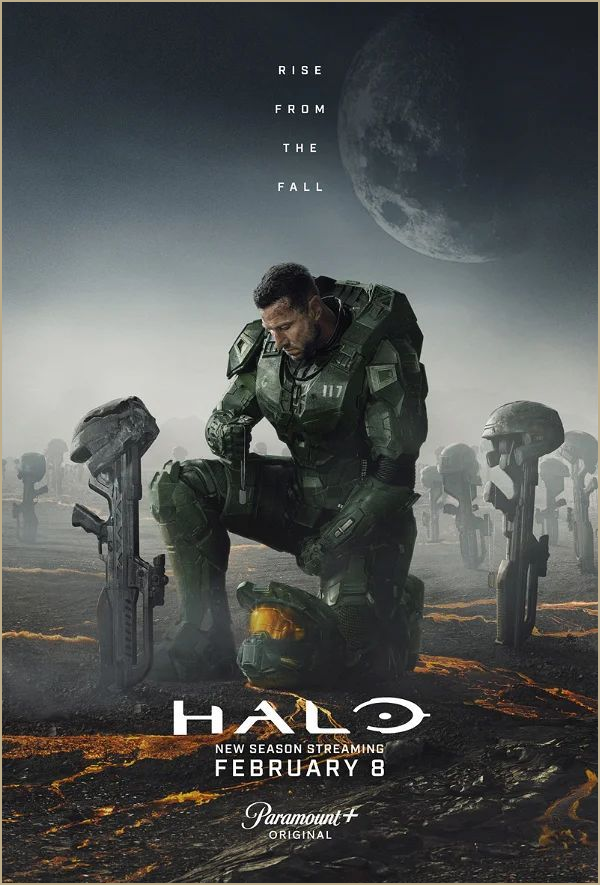
Some of the largest projects Harry supervized while at The Yard:
What major evolution do you see upcoming in VFX?
Artificial intelligence will certainly have a major impact, particularly in automating repetitive tasks and accelerating workflows. However, I don’t believe it will replace the need for artists or supervisors. The industry is moving toward allowing artists to spend less time on technical execution and more time on creative decision-making. Real-time technologies, virtual production, and increasingly integrated pipelines between production and post-production will also continue to reshape how we work.
What advice would you give to students who are goint to start their career in the VFX industry?
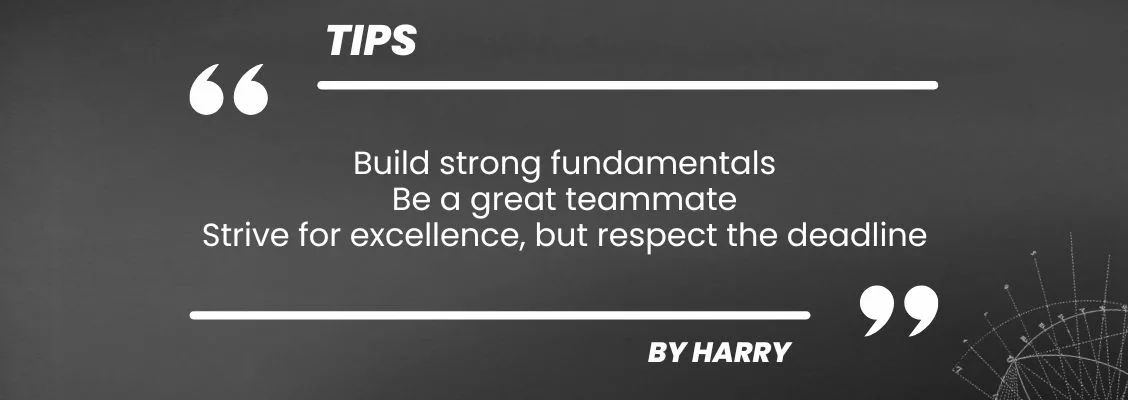
First, focus on fundamentals. Software changes constantly, but strong artistic and technical foundations remain valuable throughout your career. Learn how light behaves, understand composition, photography, storytelling, and problem-solving. Be curious, ask questions, and learn to accept feedback without taking it personally.
Also, remember that VFX is a team sport. Talent matters, but reliability, communication, and collaboration often determine how far someone progresses in the industry.
And finally: aim for perfection in every shot, but respect the time you’ve been given. Learn to deliver the best possible result within the time available. That’s a skill every professional eventually has to master.