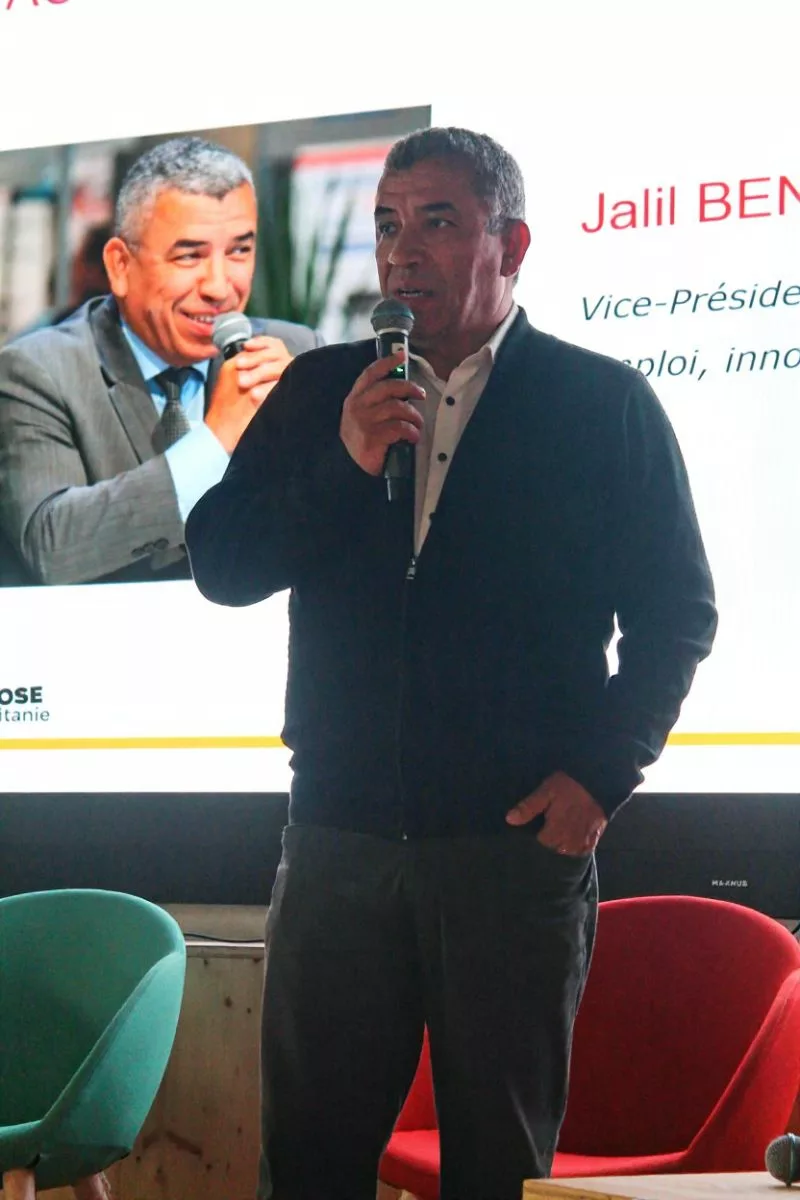
Opening the morning session, Jalil Benabdillah, Vice-President of the Occitanie Region in charge of the Economy, Innovation, and Reindustrialization (and President of CNER, the national federation of economic development agencies), set the strategic frame for the initiative. Modeled on the national Choose France summit, Choose Occitanie asserts the region’s position as a major economic powerhouse. Jalil Benabdillah highlighted the concrete foundation supporting this attractiveness: over 600 hectares of available industrial land, a dedicated €400 million regional sovereign wealth fund (via ARIS), and 3.93% of regional GDP reinvested into R&D. Furthermore, following the integration of the Regional Tourism Board (CRTL) into AD’OCC in early 2026, the region now delivers a unified support ecosystem for incoming businesses.
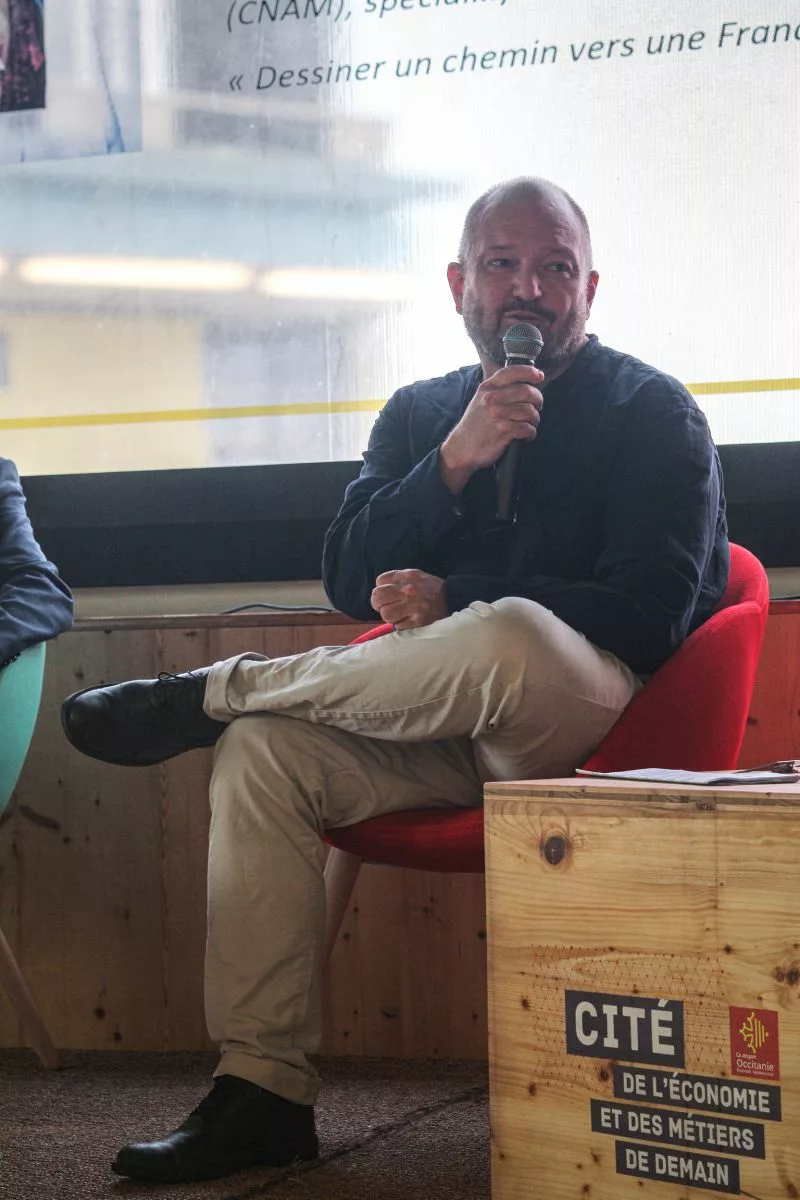
Building on this operational framework, industrial policy specialist and CNAM professor Olivier Lluansi delivered a keynote addressing the macroeconomic imperatives of production. Following decades of deindustrialization, the push to rebuild productive capacity is no longer merely an economic growth driver—it is a cornerstone of strategic autonomy, supply chain resilience, and environmental transition. Lluansi emphasized a pivotal econometric reality that directly validates Occitanie’s strategy: nearly 40% of an industrial facility’s long-term operational success depends directly on local, territorial factors—including spatial infrastructure, specialized training and educative organizations, responsive public administration, and ecosystem cohesion.
Occitanie’s performance highlights the impact of this integrated territorial approach. In 2025, the region captured 7% of all foreign direct investment (FDI) decisions in France, translating to 140 landmark projects and over 3,200 direct jobs, according to la Revue Economique de France. By combining political stability, targeted capital mechanisms, and integrated local ecosystems, Occitanie provides the predictability that long-term industrial investments require—proving that regional policy is a vital engine for national reindustrialization.
Cultural and Creative Industries: High-Tech Productive Hubs
While reindustrialization is often associated with traditional manufacturing or heavy energy sectors, the discussions underscored that Cultural and Creative Industries (ICCs) operate as modern, technology-driven industrial ecosystems. The sector requires high-capital expenditure in technical infrastructure, persistent research and development, and highly specialized labor forces.
Occitanie has established itself as France’s second-largest region for filming days and a national leader for daily audiovisual series, supported by over 12,600 creative and technical professionals across 547 enterprises, according to Choose Occitanie. The sector’s growth is driven by:
-
World-Class Talent Schools: Higher education institutes such as ARTFX in Montpellier and ESMA in Toulouse provide a constant influx of internationally qualified technical talent.
-
Advanced Infrastructure: Production and post-production facilities, including France TV’s expanded V Studio setup in Vendargues and specialized VFX houses such as The Yard VFX, anchor production value within the territory.
-
R&D and Innovation: Integration of real-time rendering, artificial intelligence workflows, and carbon-footprint measurement tools (such as Jyros) position the region at the technological forefront of digital production.
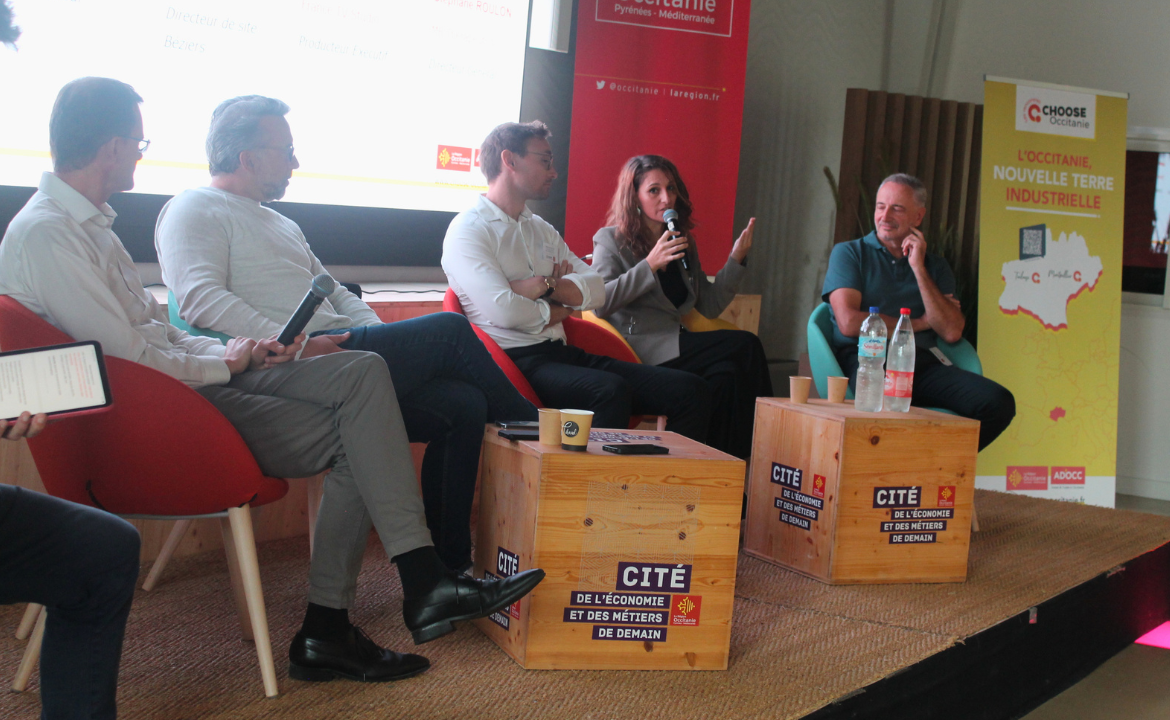
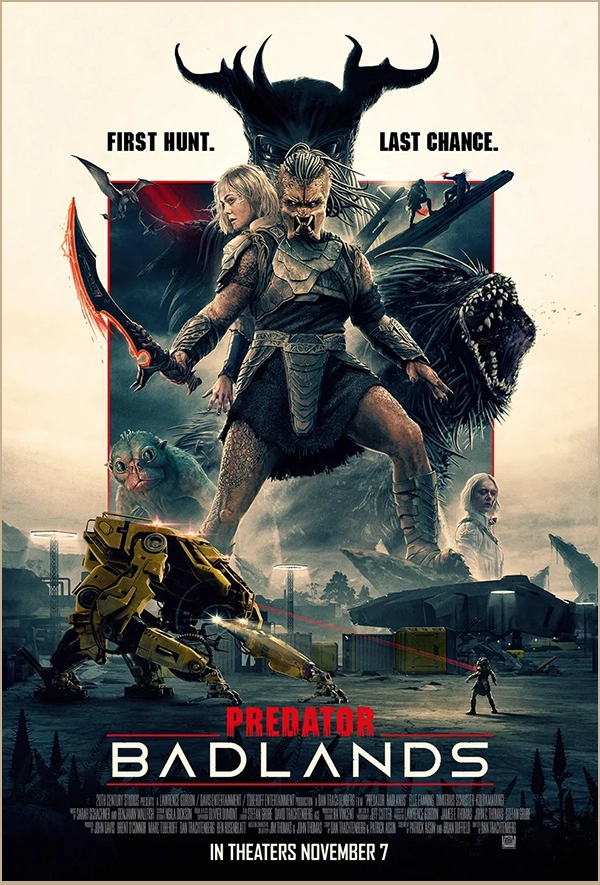
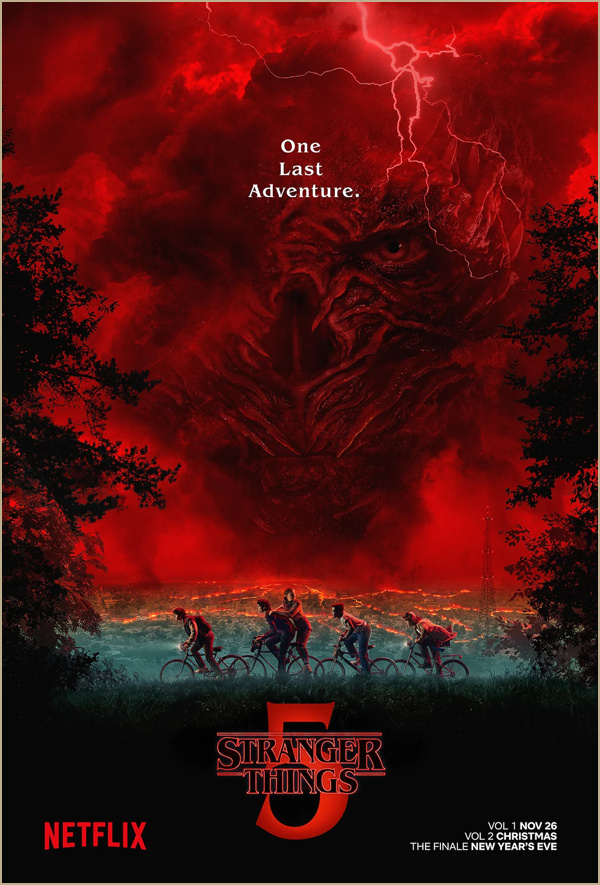
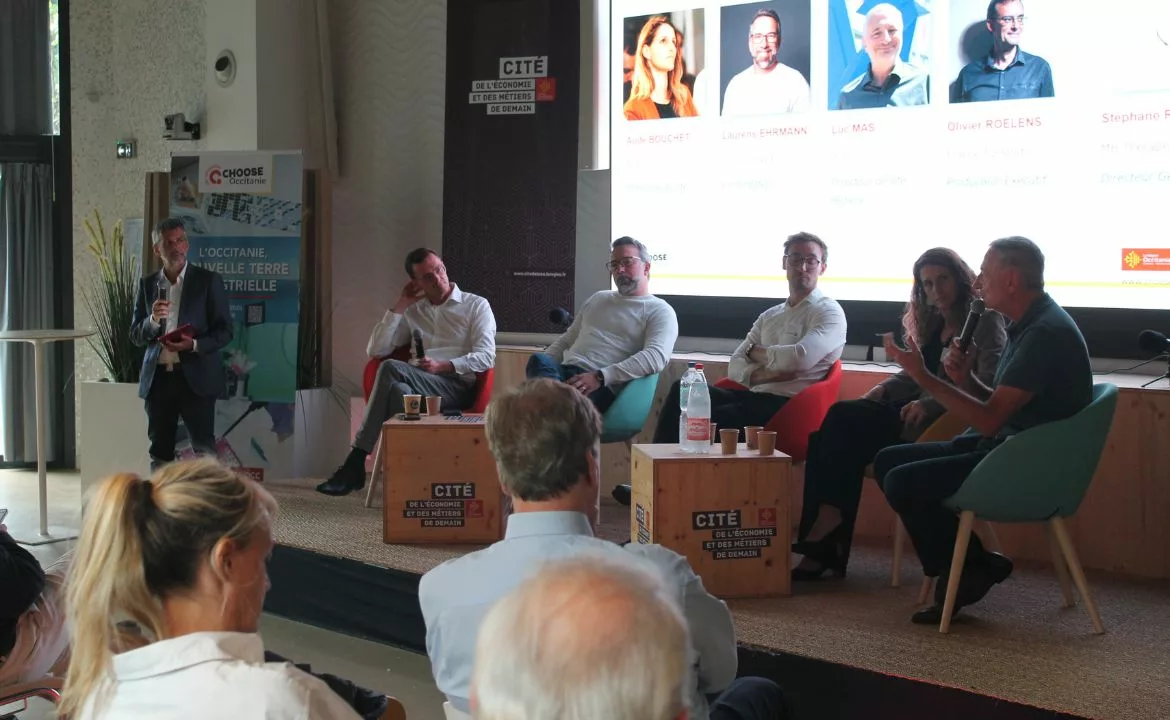
The expansion of independant visual effects studio The Yard VFX in Montpellier illustrates how these regional attributes translate into commercial scale. During the roundtable dicussion, Laurens Ehrmann explained that the studio’s regional presence reflects a strategic alignment rather than a simple geographical cost arbitrage.
Having built a strong footprint in international feature film and streaming series productions (with 95% of its turnover generated abroad), The Yard has been benefited from a growing attractiveness over the past years, for the seasoned professionals and graduating students alike. By establishing an antenna in Montpellier, The Yard responds to the need for senior talent to work outside Paris while building tighter bonds with world-class local schools like ArtFX and key ecosystem partners like PICS Studio, framed within the broader momentum of the France 2030 development plan.
Since its opening, The Yard’s Montpellier team has contributed to major international projects, including Stranger Things 5 (Netflix), Predator : Badlands (20th Century Fox), Etoile and The Lord of The Rings : The Rings of Power – Season 2 & 3 (Amazon MGM Studios).