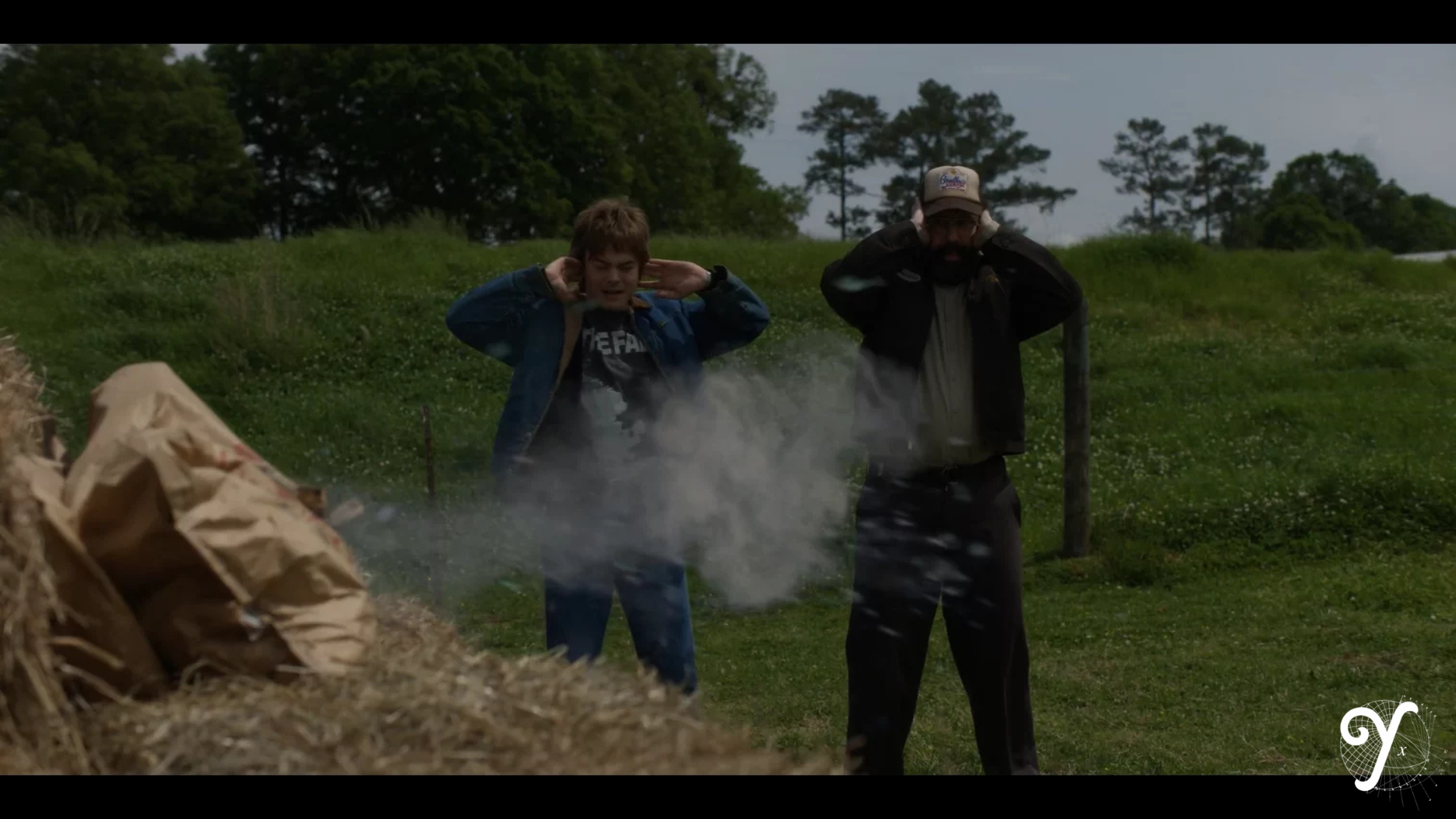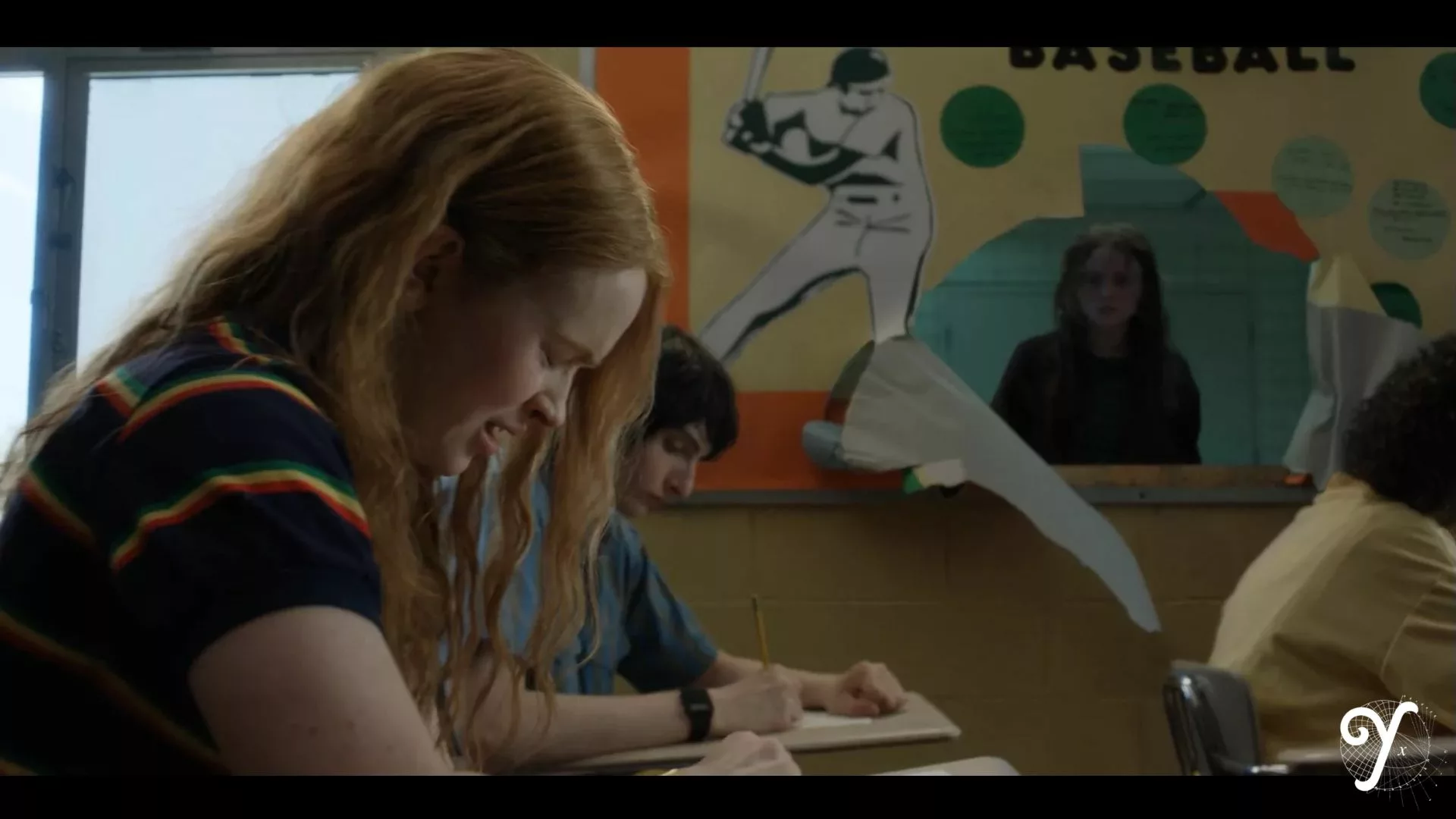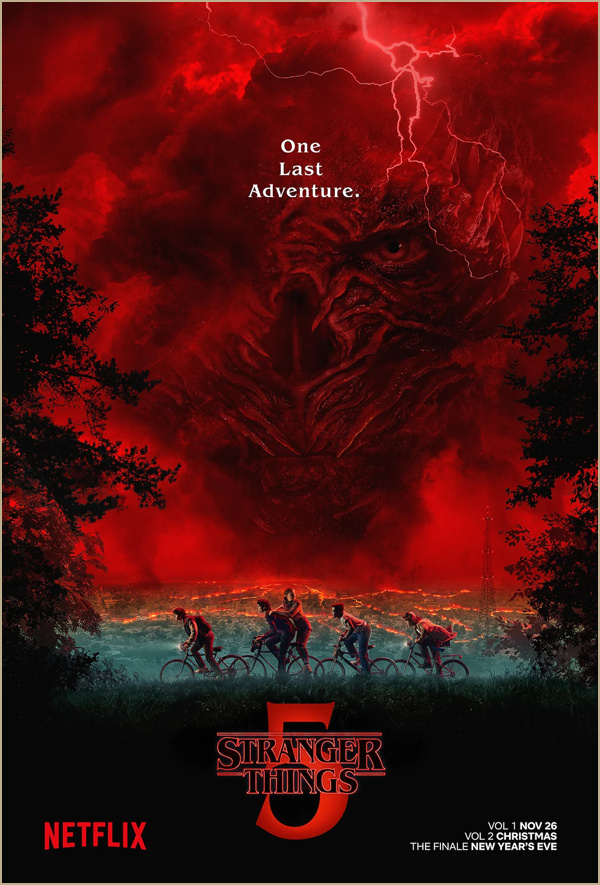
The fifth and final season of Stranger Things marked the conclusion of one of the most influential series in streaming history. Blending supernatural horror, emotional storytelling and iconic 1980s nostalgia, the final chapter delivered spectacle at an unprecedented scale while remaining faithful to the show’s deeply established visual identity.
The season’s impact was immediate and historic. With 39.54 billion minutes viewed in the U.S. alone, it became one of the most-watched streaming titles of 2025, and reached the 4th position in Netflix’s all-time global most-watched show, reaffirming the cultural legacy of the series.
Within this landmark season, The Yard delivered more than 530 VFX shots across all eight episodes over 15 months of production. Working in close collaboration with VFX supervisors Betsy Paterson and Michael Maher, and VFX producers Viet Luu, Jessica Smith and Tessa Roehl, The Yard also shared shots and assets with major partner studios including Weta FX and Industrial Light & Magic.
From full CG environments and complex creature and in-camera integrations, The Yard’s work spanned creative and technical and logistical challenges—all while honoring the strong visual DNA and creative direction established over five seasons.

Landmark Environments
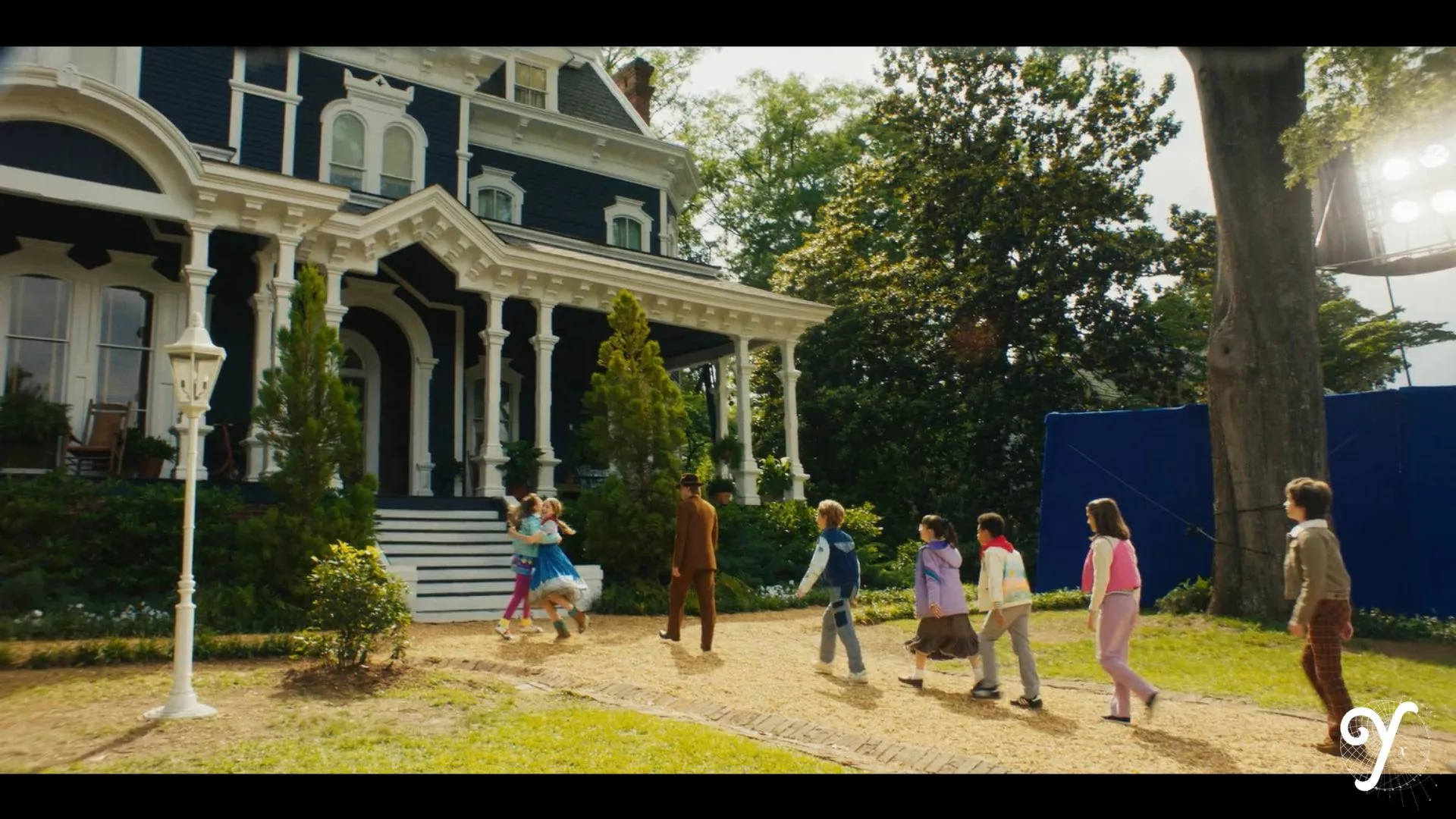
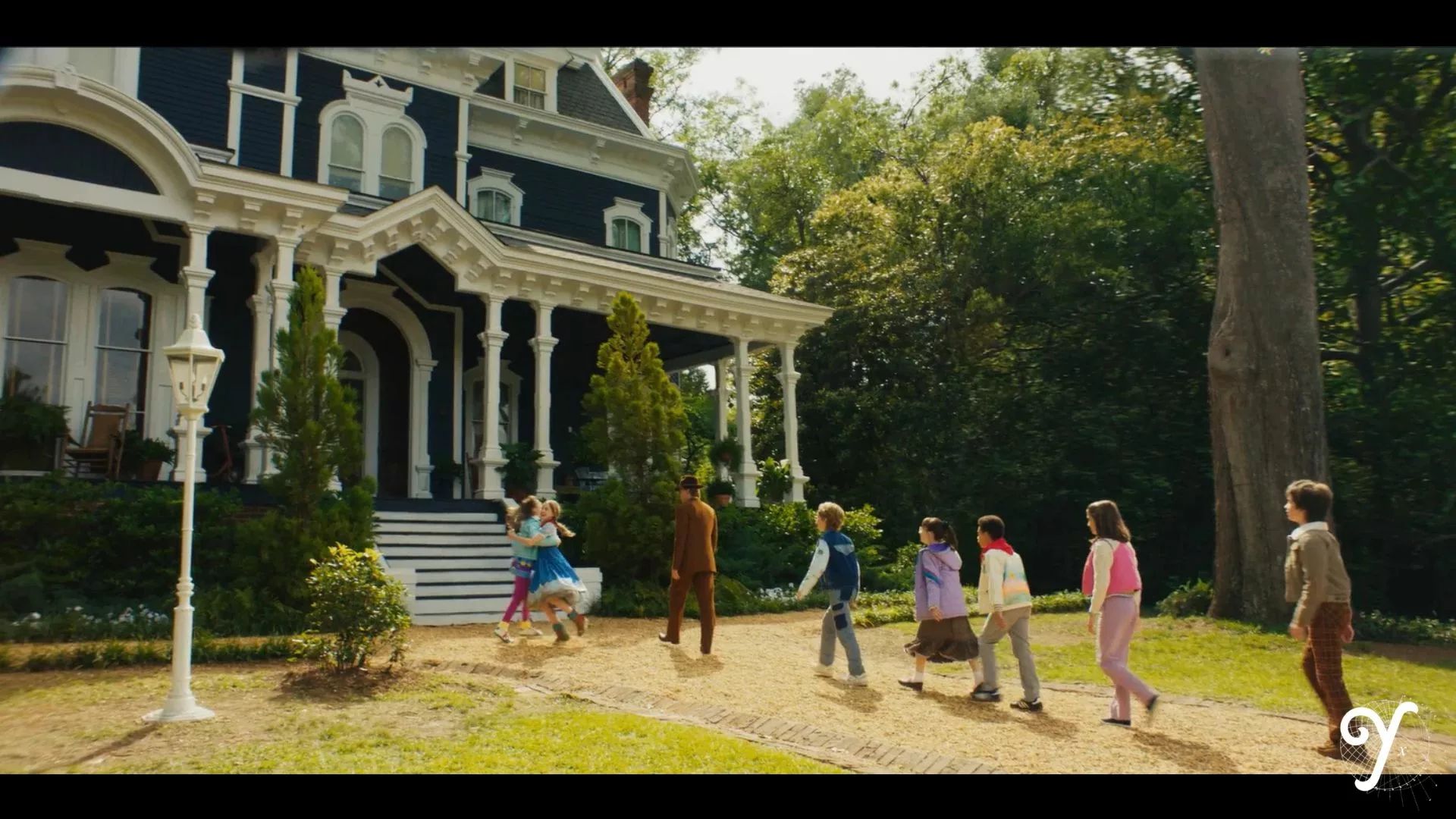
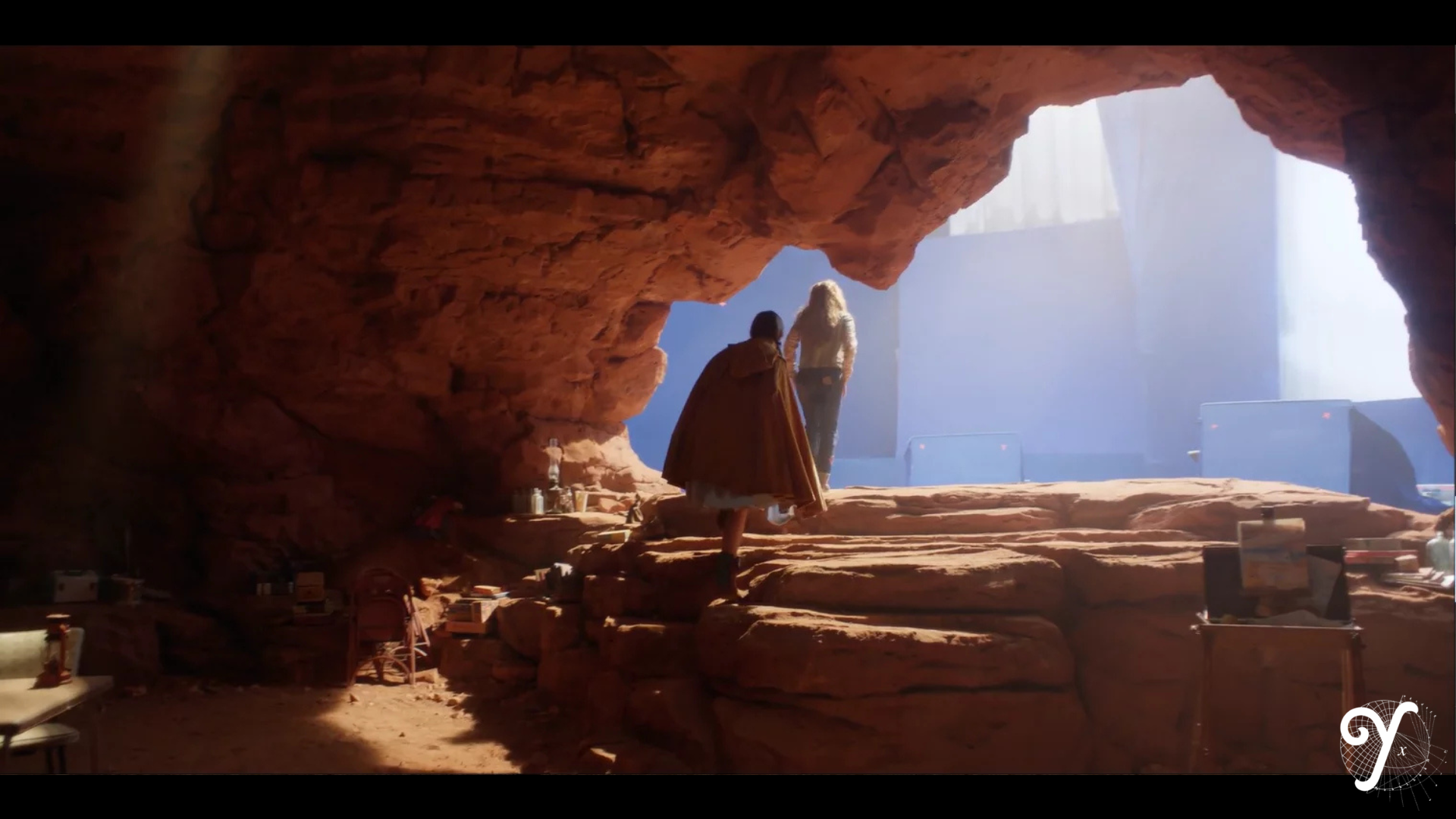
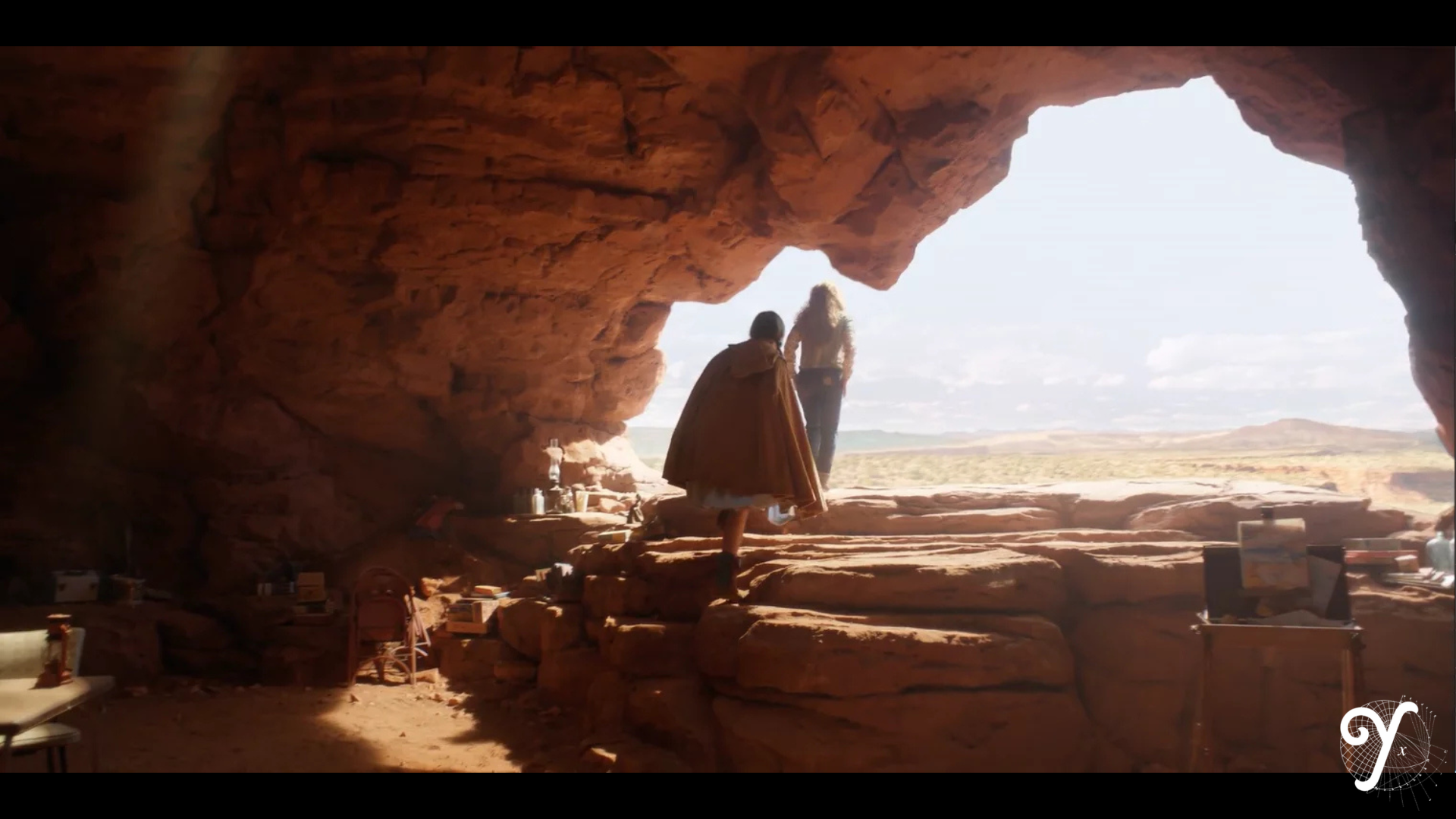
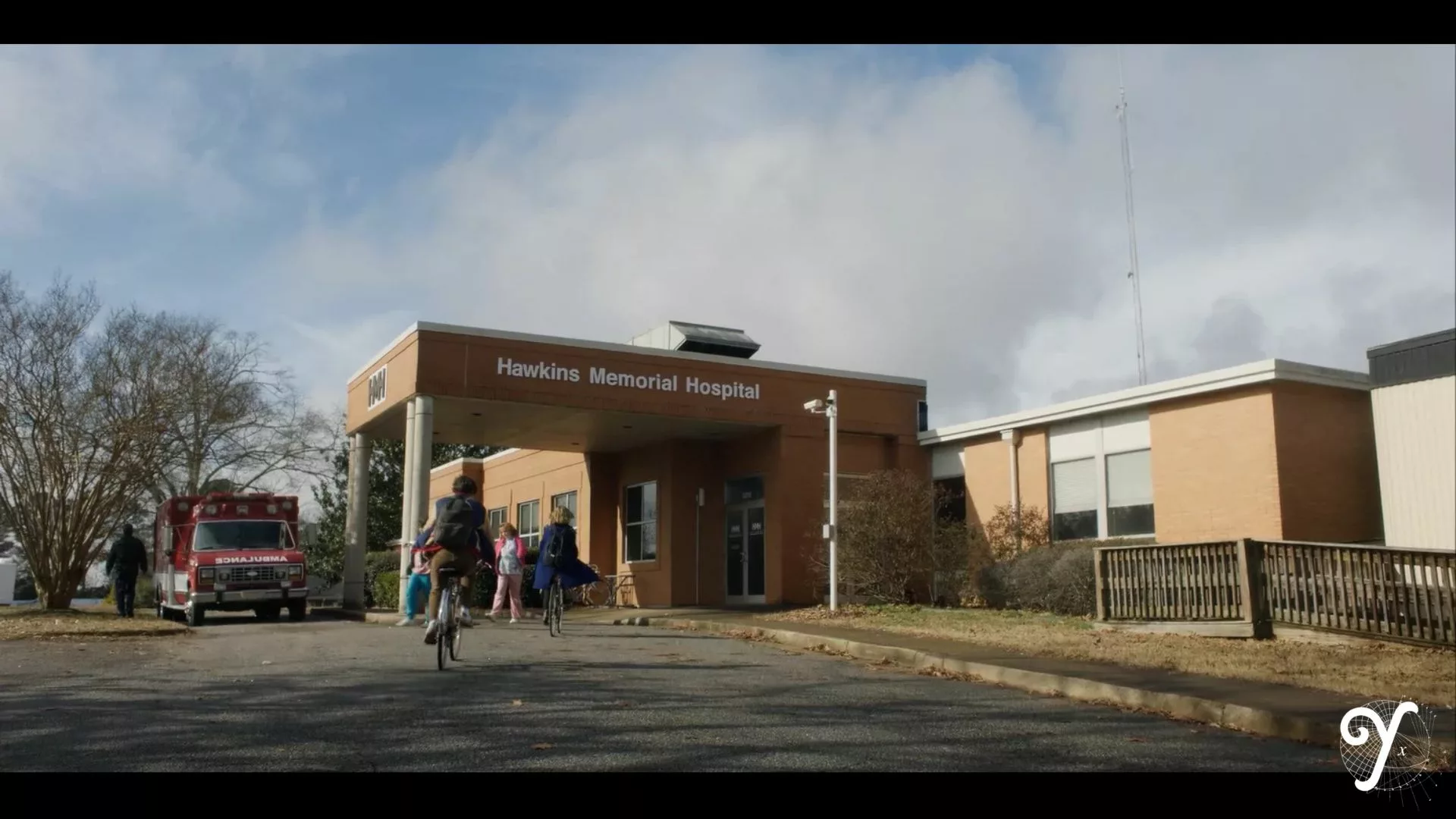
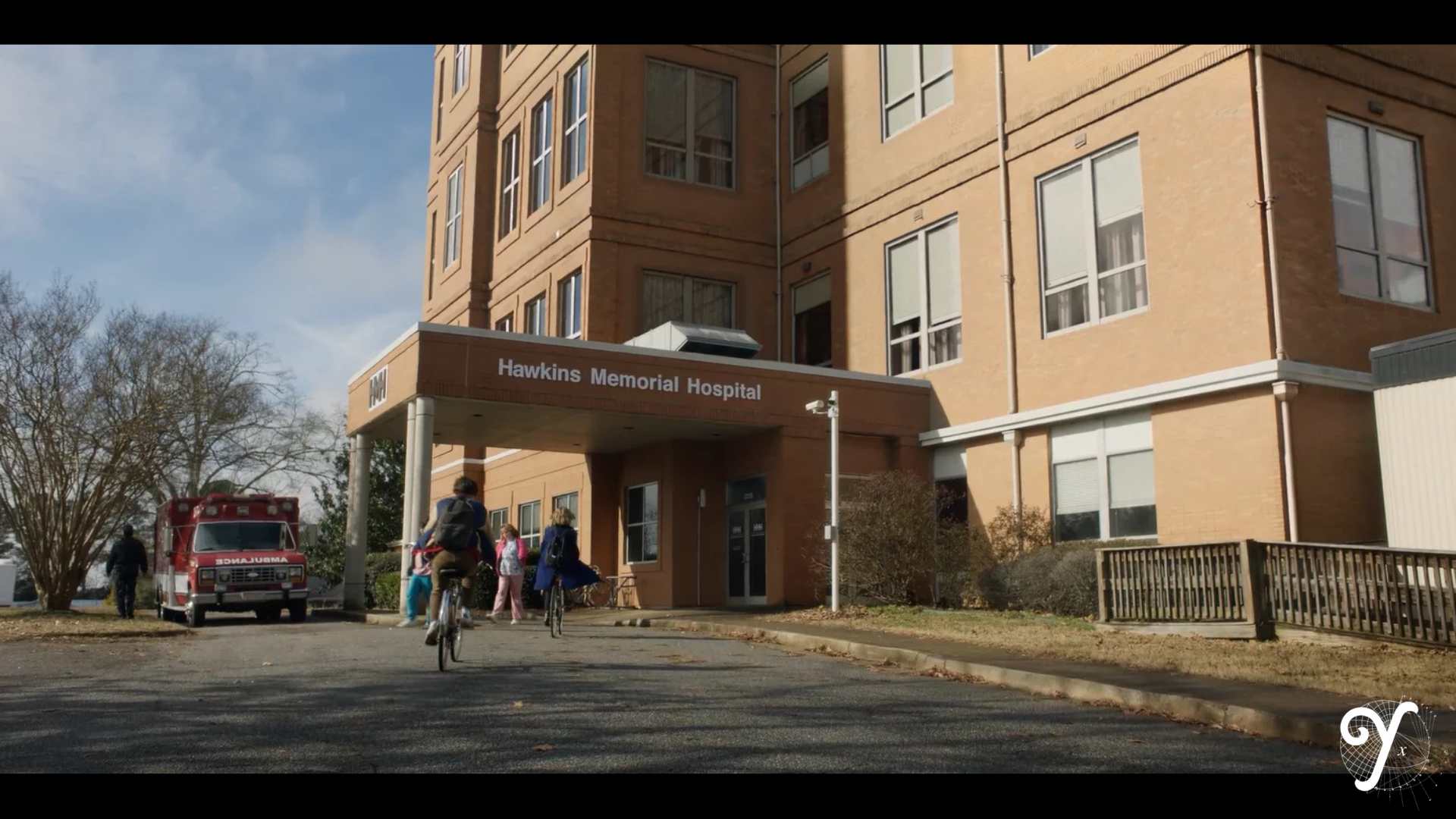
The final season takes the audience back to Hawkins while exploring new locations such as the WSQK radio station, the Turnbow’s house, the rocky outcrop and canyon, or the MacZ. But the emblematic locations are often shown from new angles, new time periods, or alternate realities. The Yard team carried variable extent of work from partial to extensive set extensions, window inlays, digital rebuilds, and perspective adjustments to maintain continuity while expanding cinematic scope.
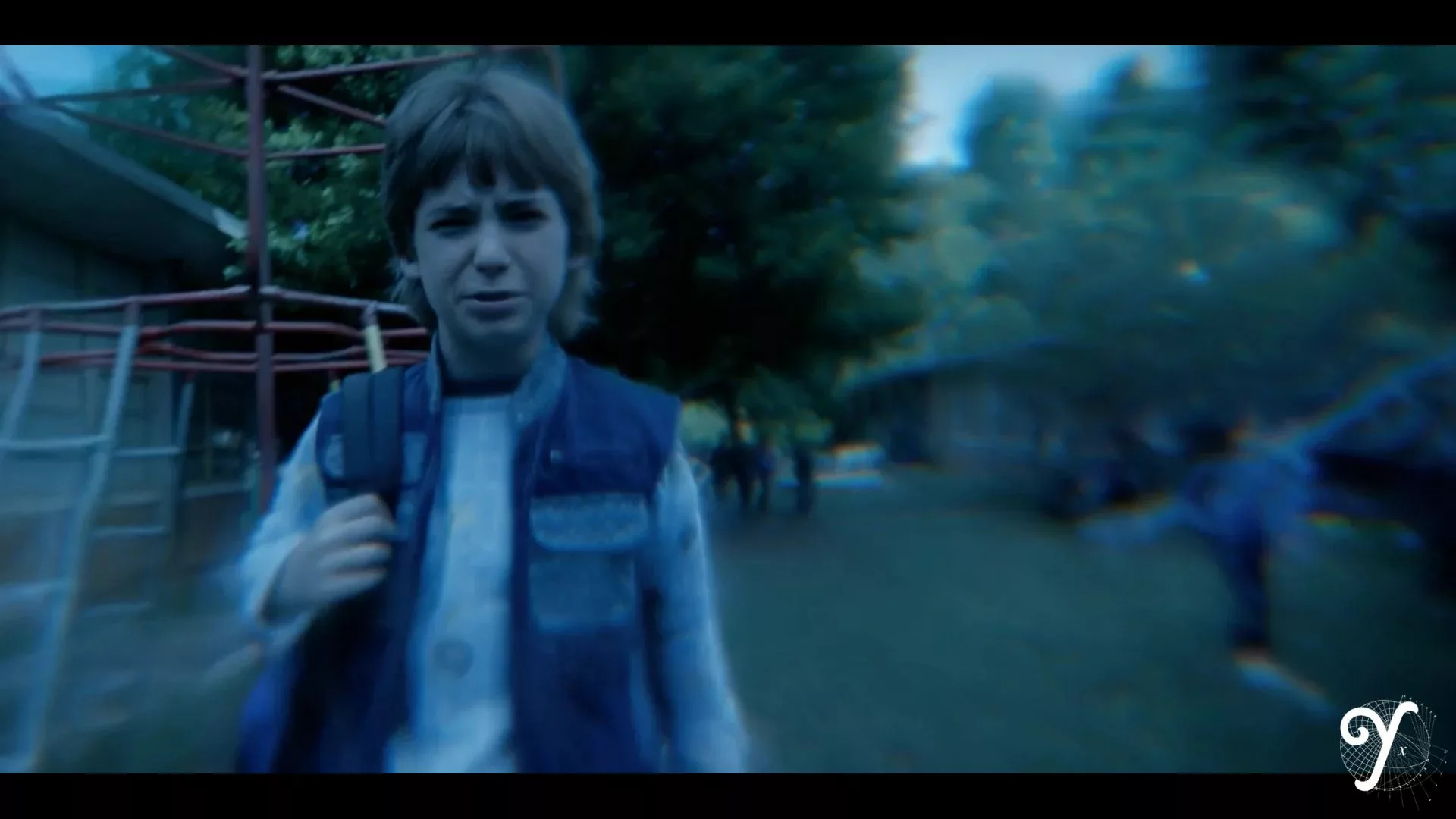
Other environments demanded full CG reconstructions such as the playground sequences. Due to editorial changes and reverse angles, the original plates did not provide the required perspectives and limited blue screen coverage made patching inefficient.
Across all these environments, continuity with previous seasons was critical. The show’s visual identity is deeply embedded in audience memory, and every extension or rebuild had to feel invisible—not reinvented, but enhanced with authenticity.
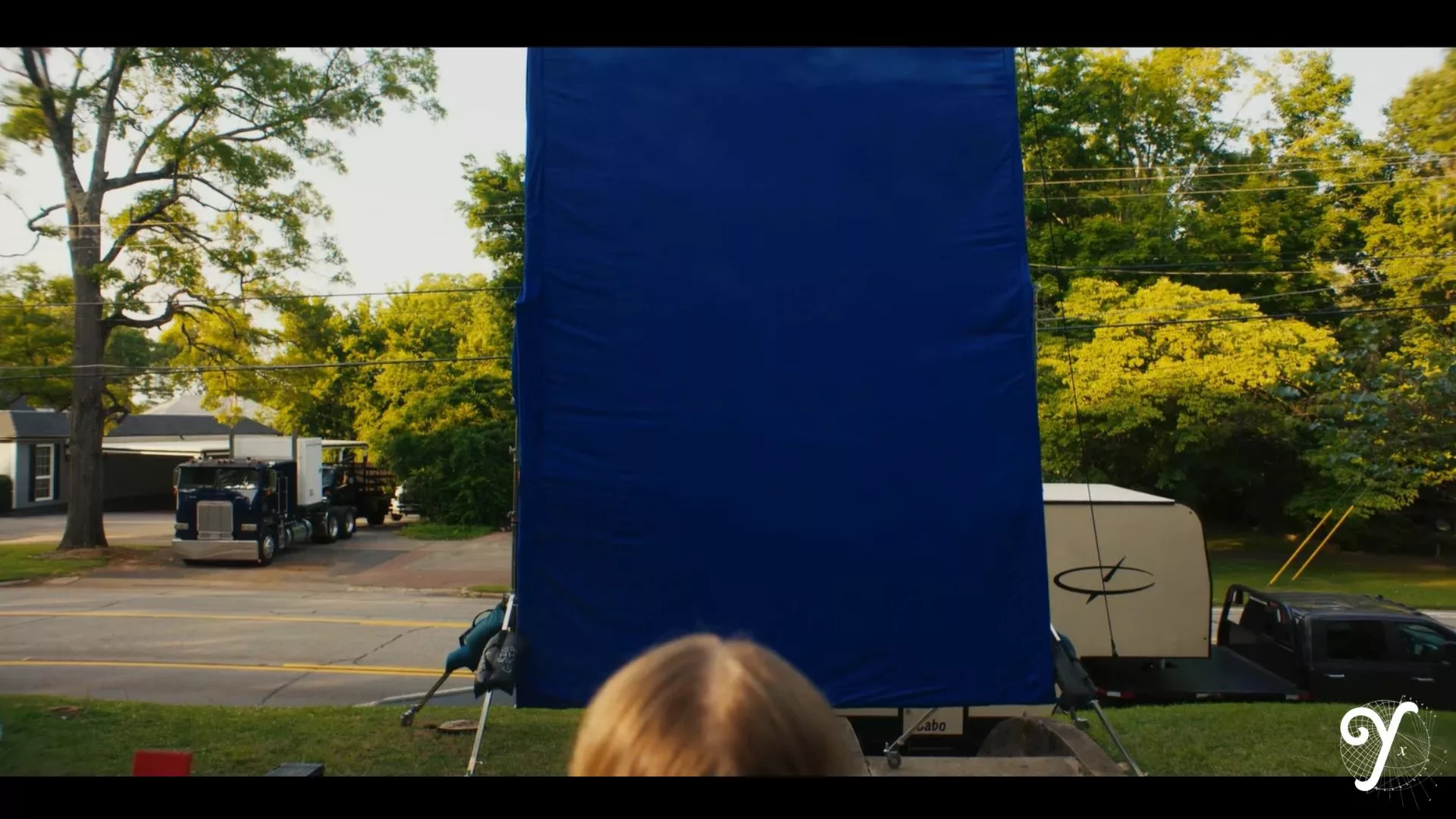
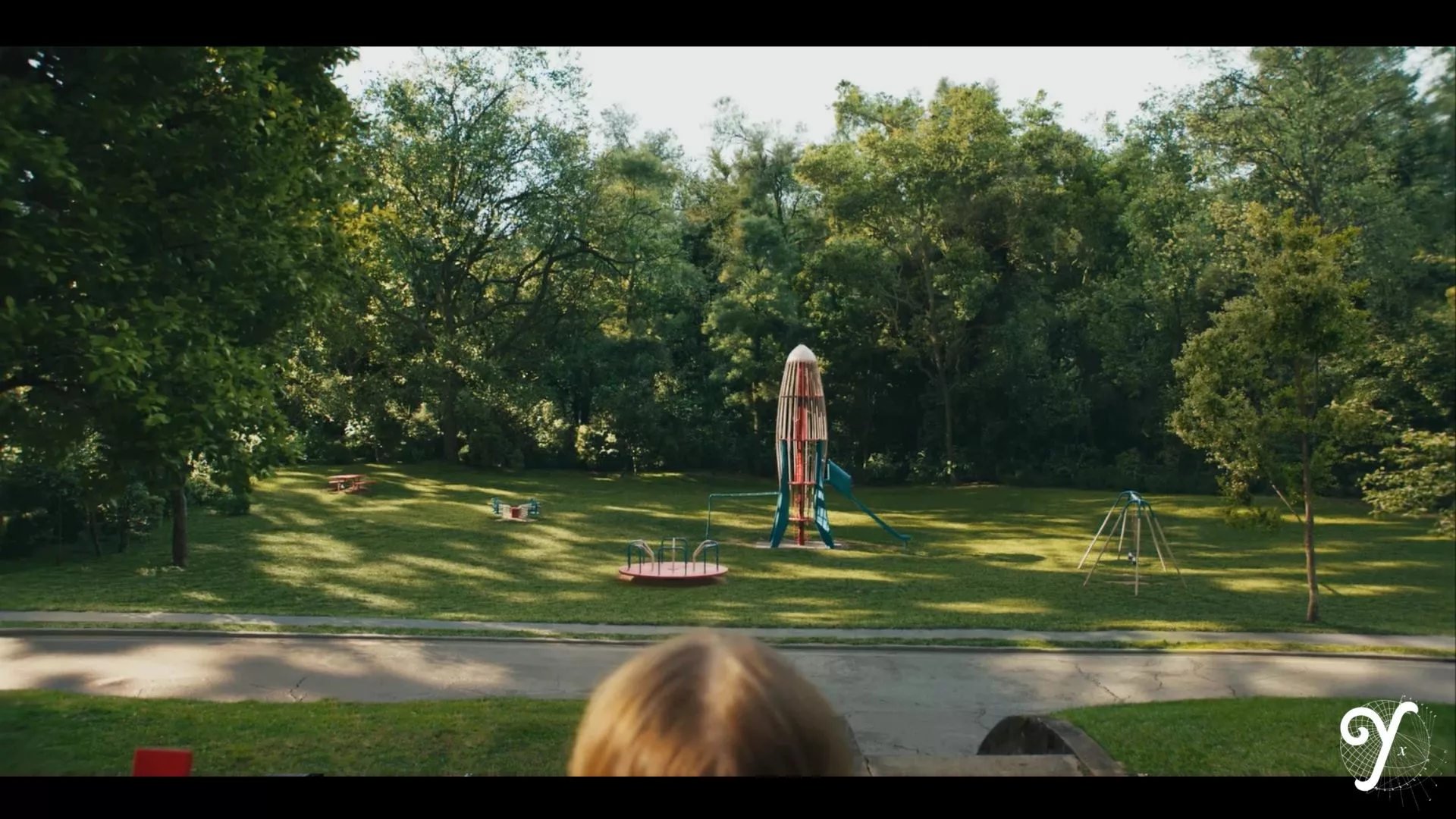
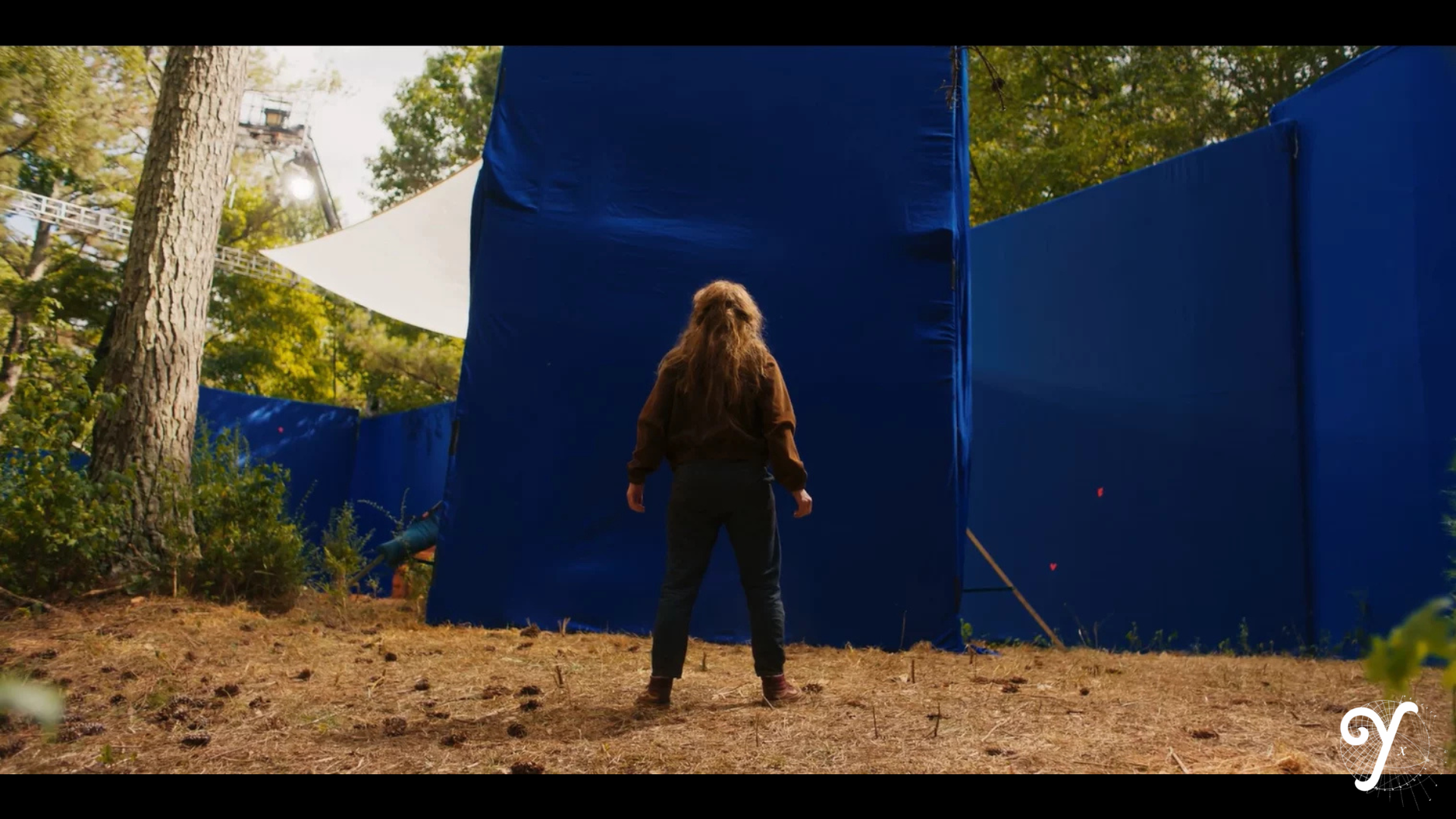
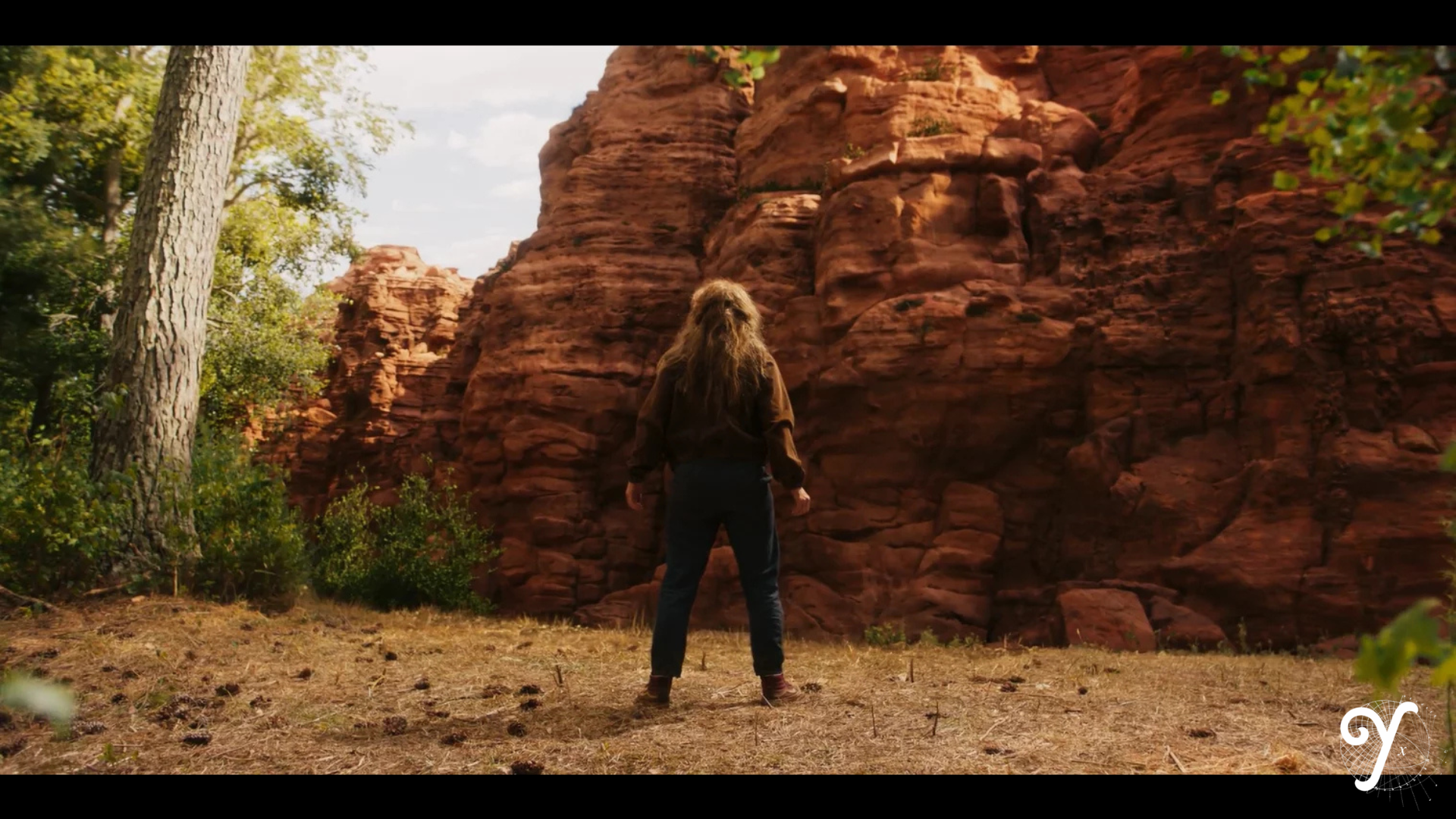
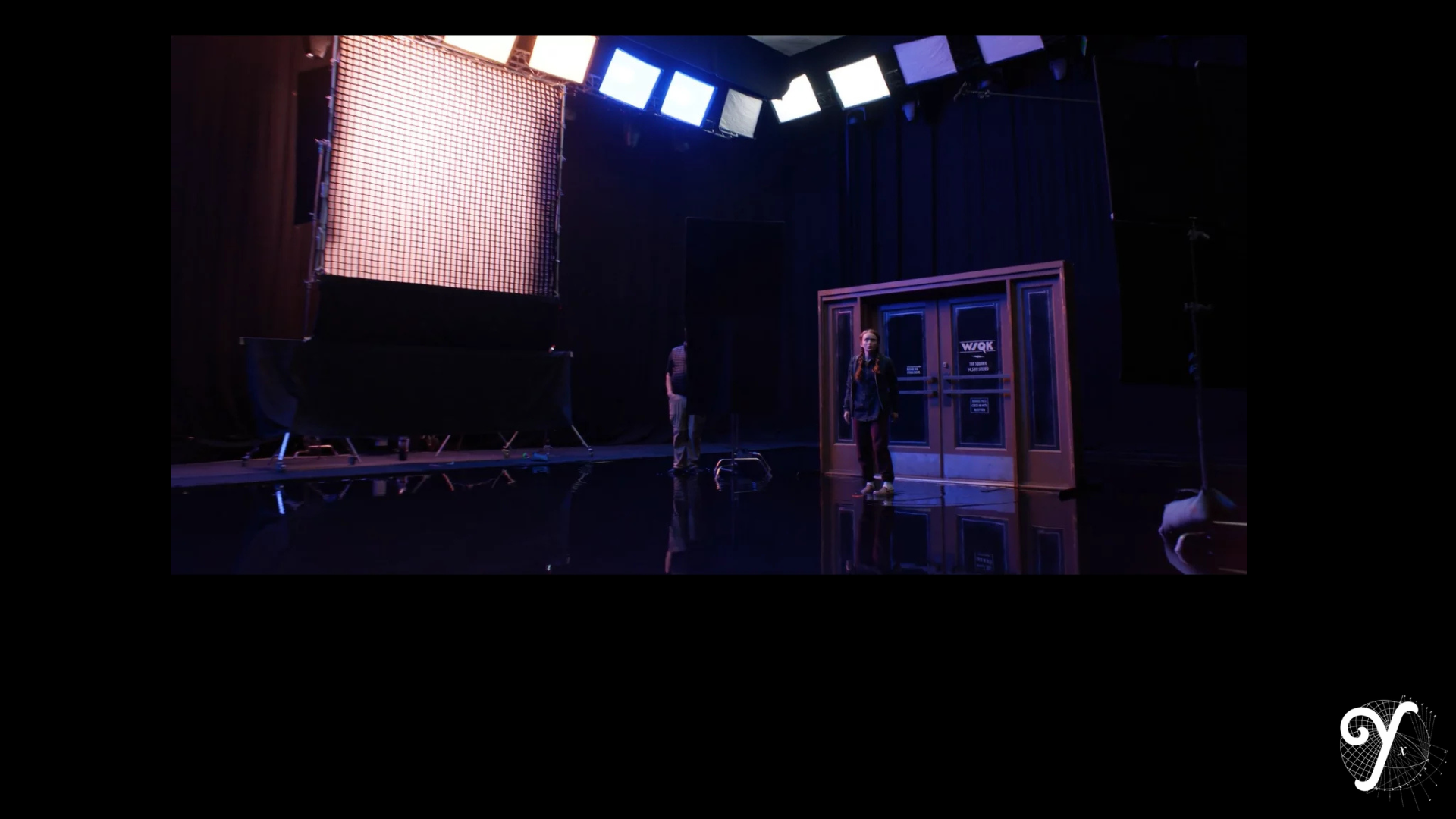
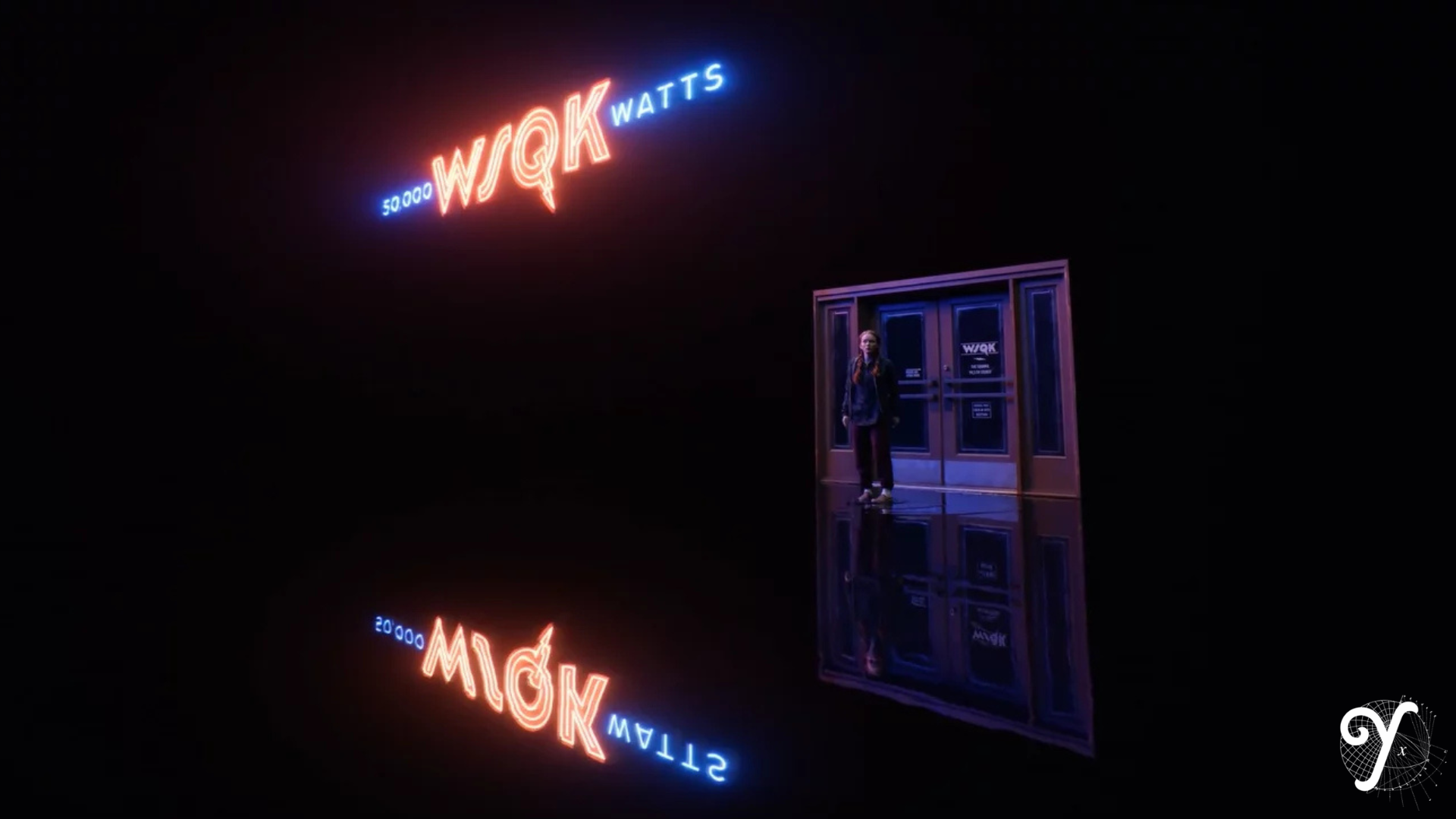
The Upside Down : Invisible Complexity
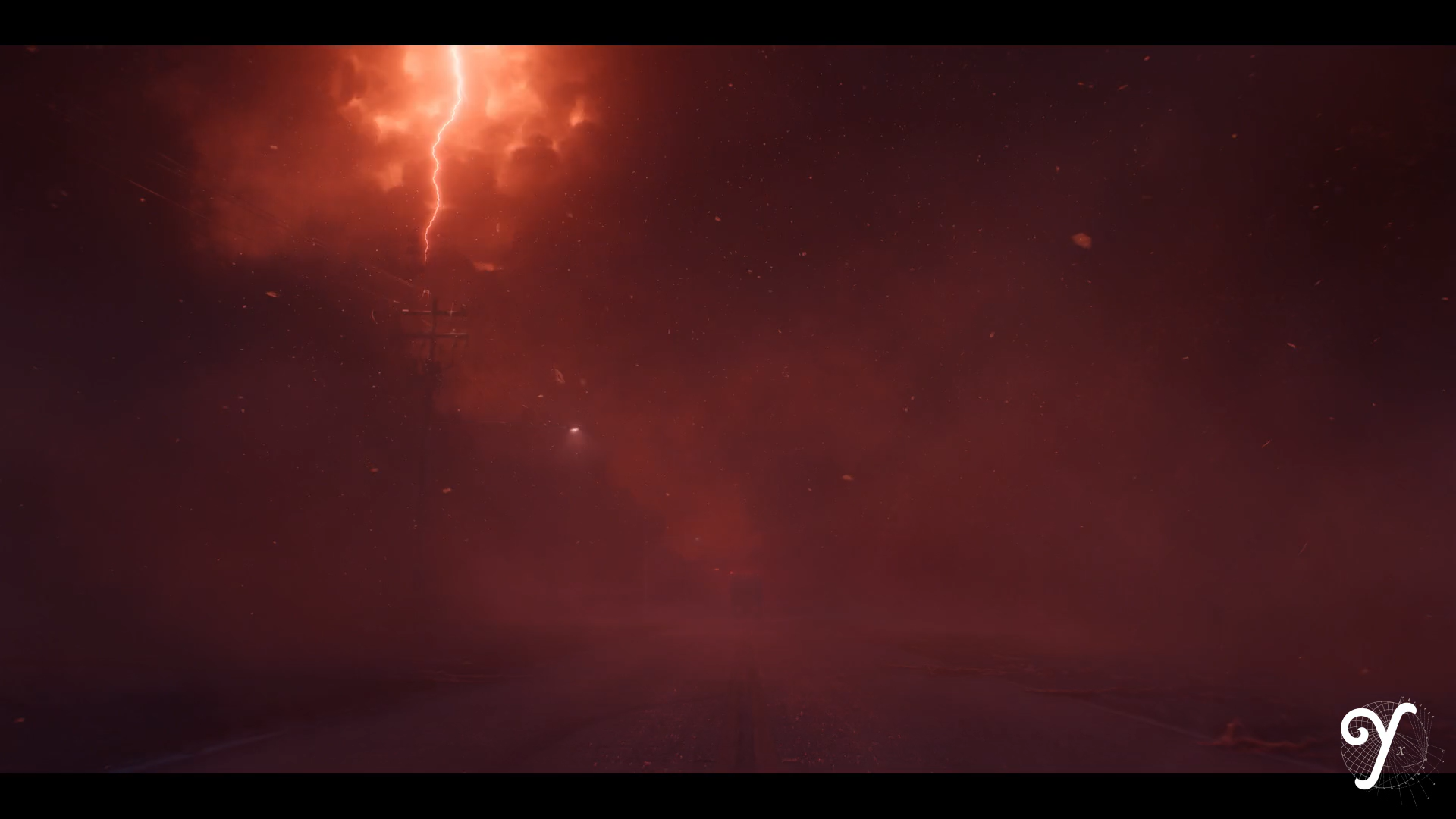
At first glance, its language seems established: red lightning, blue-toned skies, floating spores, vines, fog. But recreating and evolving this world revealed how delicate that balance truly is, particularly given that this environment is central to all the seasons of the series. What seemed visually familiar turned out to be technically intricate at every layer.
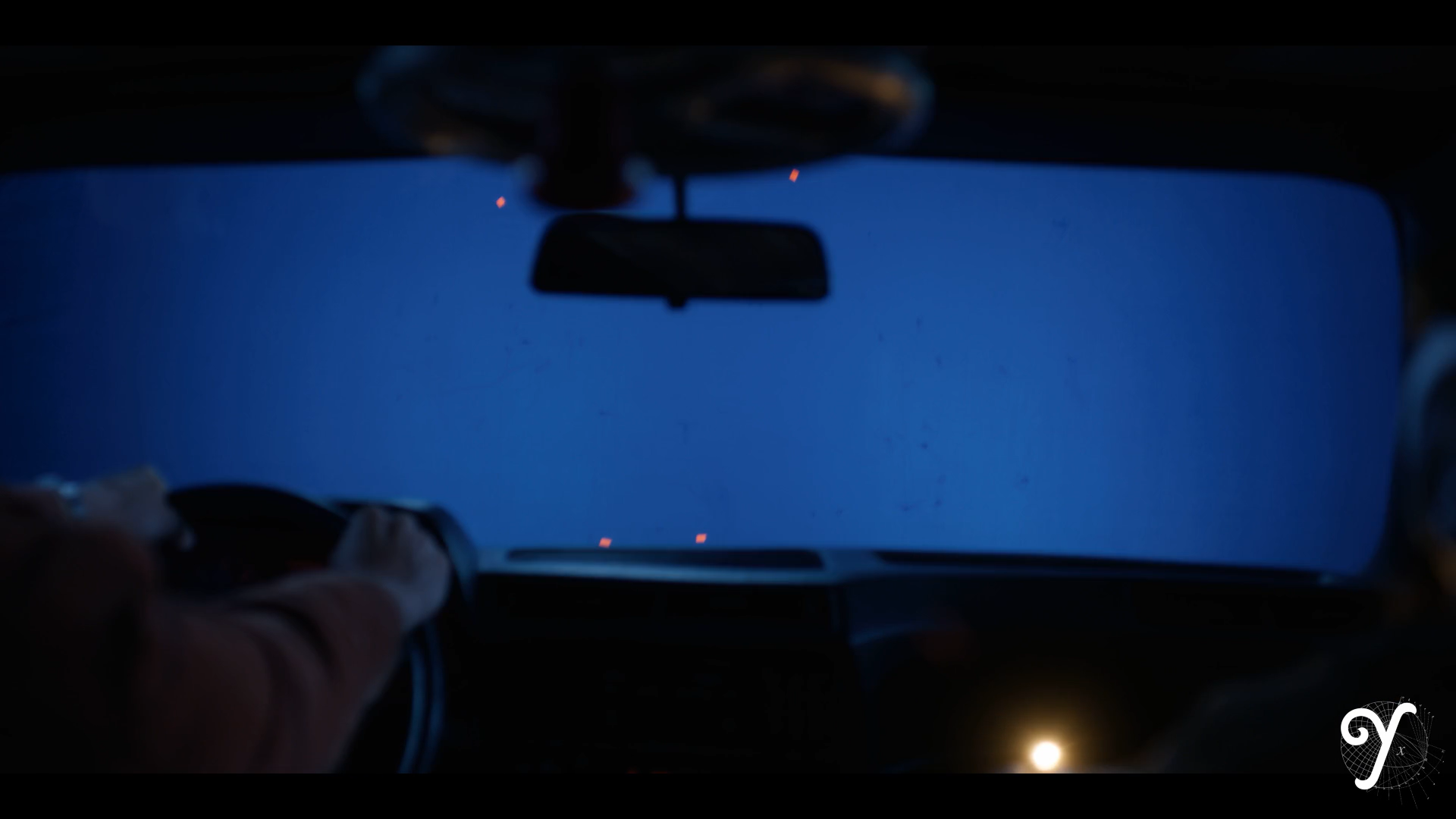
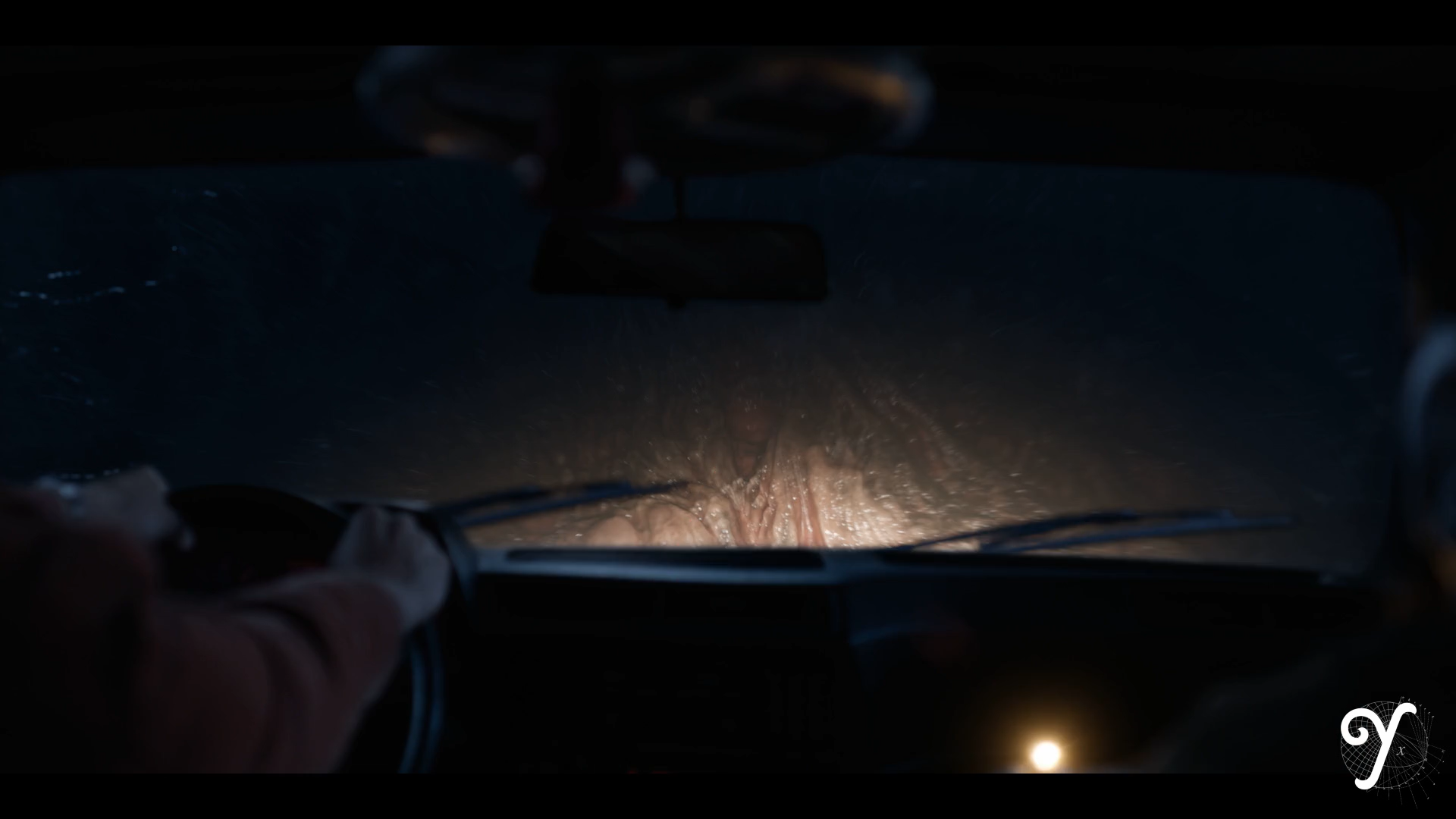
The car or truck chasing sequences were particularly complex as they involved both in-camera wide exterior shots and studio close-ups to capture the acting. Some elements of the vehicles had to be built in CG such as the cracks on the windshields or in entirety such as the famous BMW to allow precise sky reflections and slime residues.
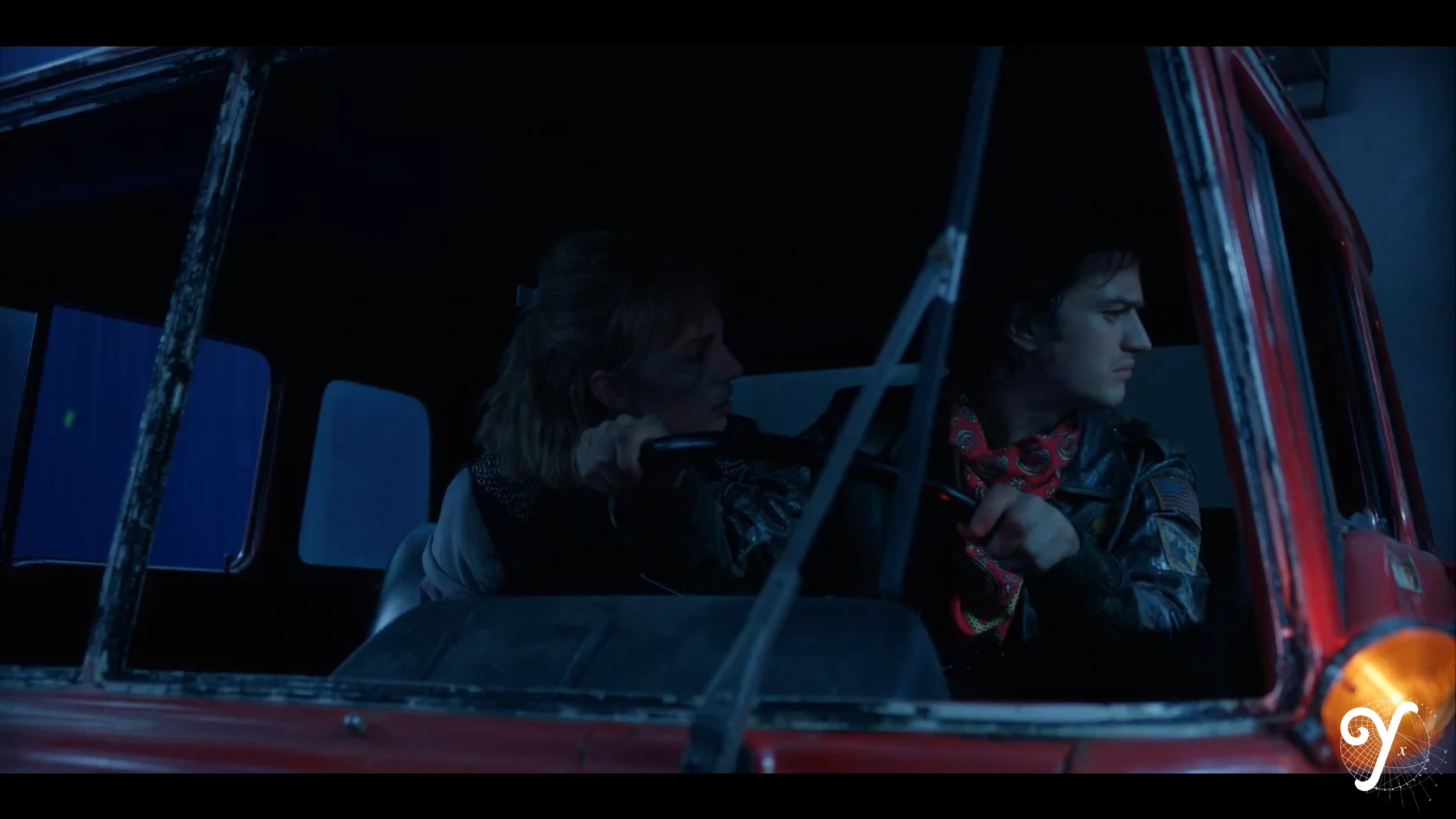
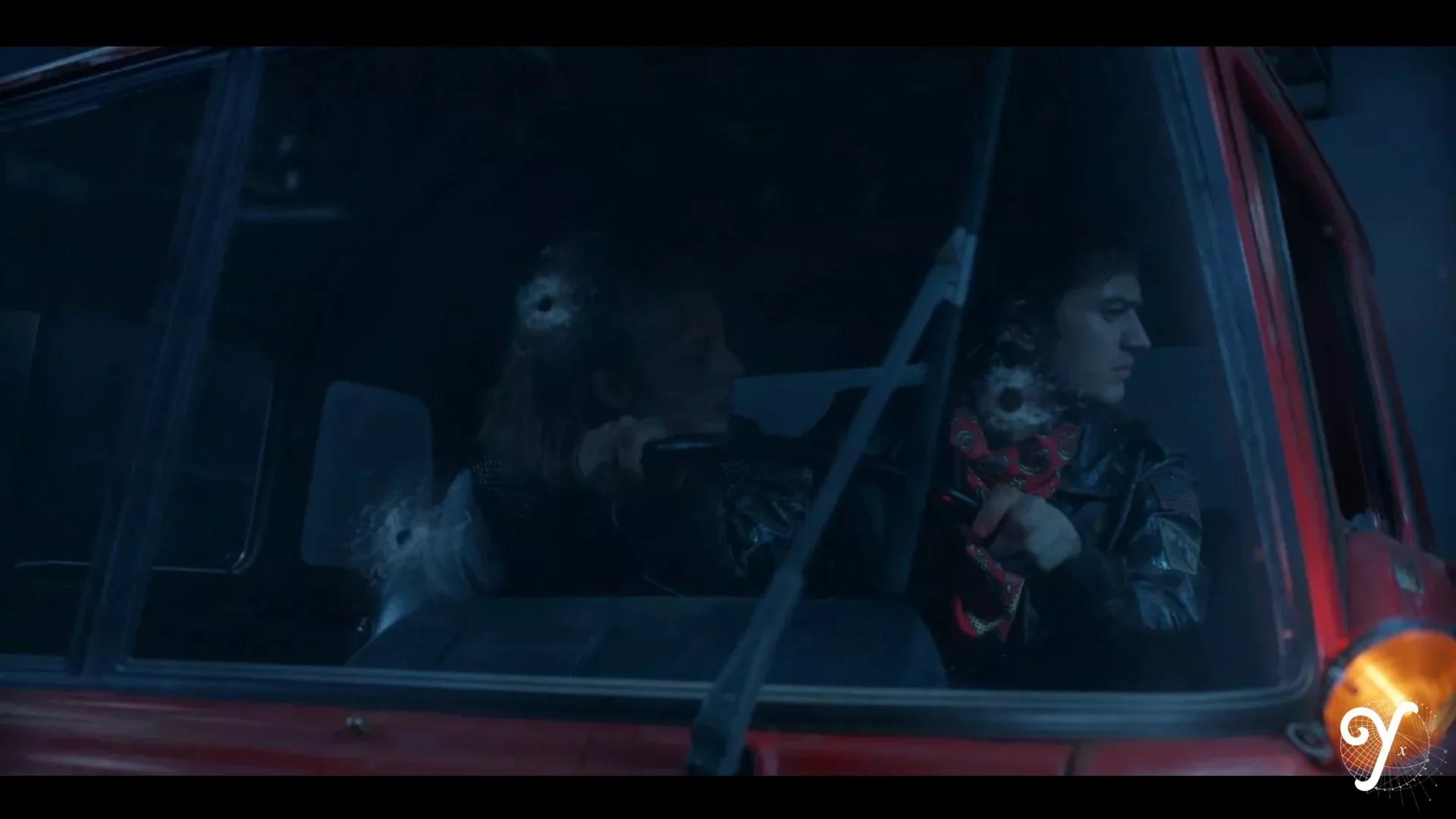
Although production aimed to shoot under lighting conditions close to the Upside Down mood, selected takes occurred at sunrise. This meant full sky replacement across wide shots, integration of the lightnings —and with it, complete relighting of the environment, while taking into consideration all the various elements in the shots. The Yard created separate lighting passes to diffuse surfaces, metallic reflections and atmospheric contribution.
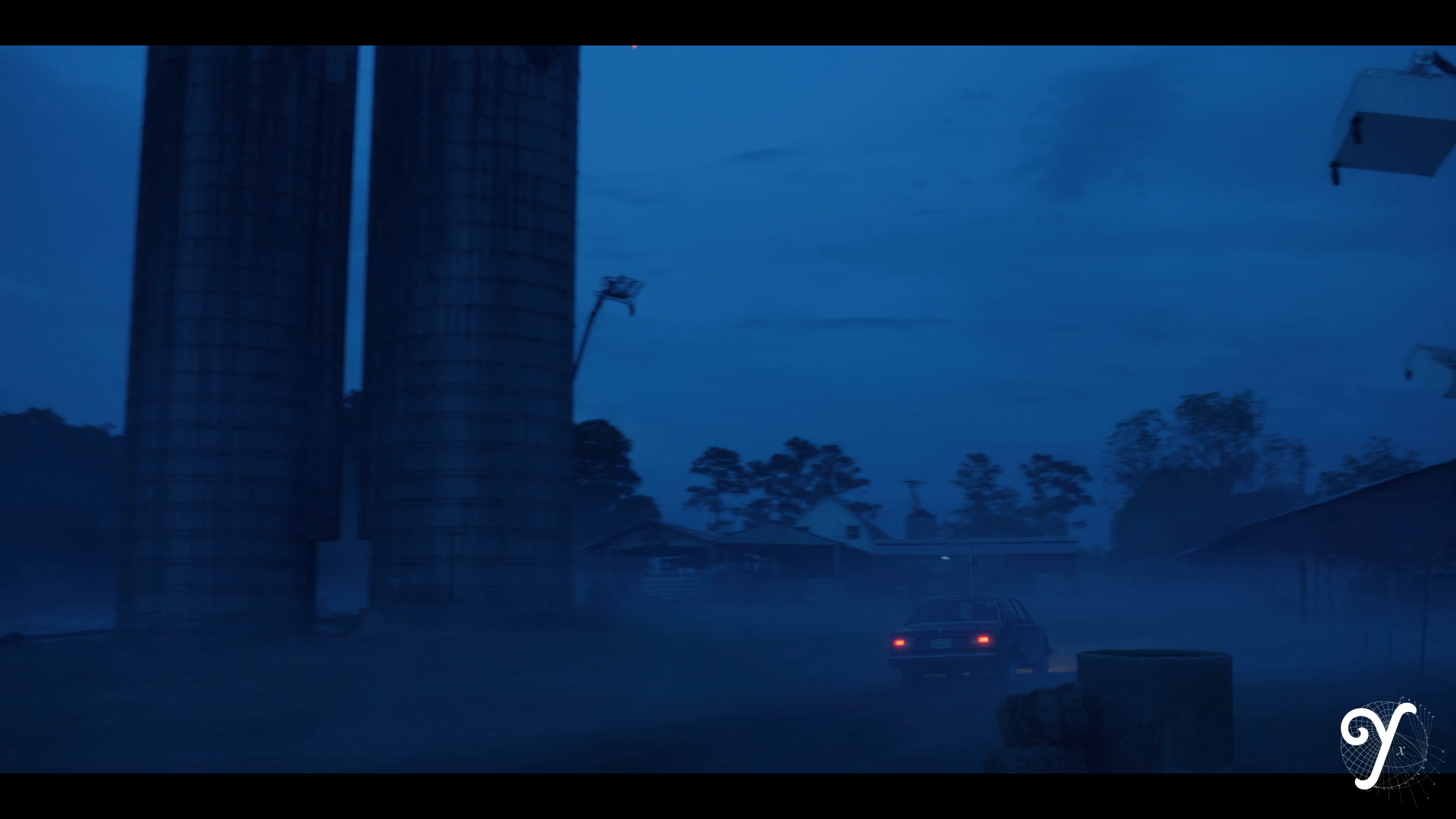
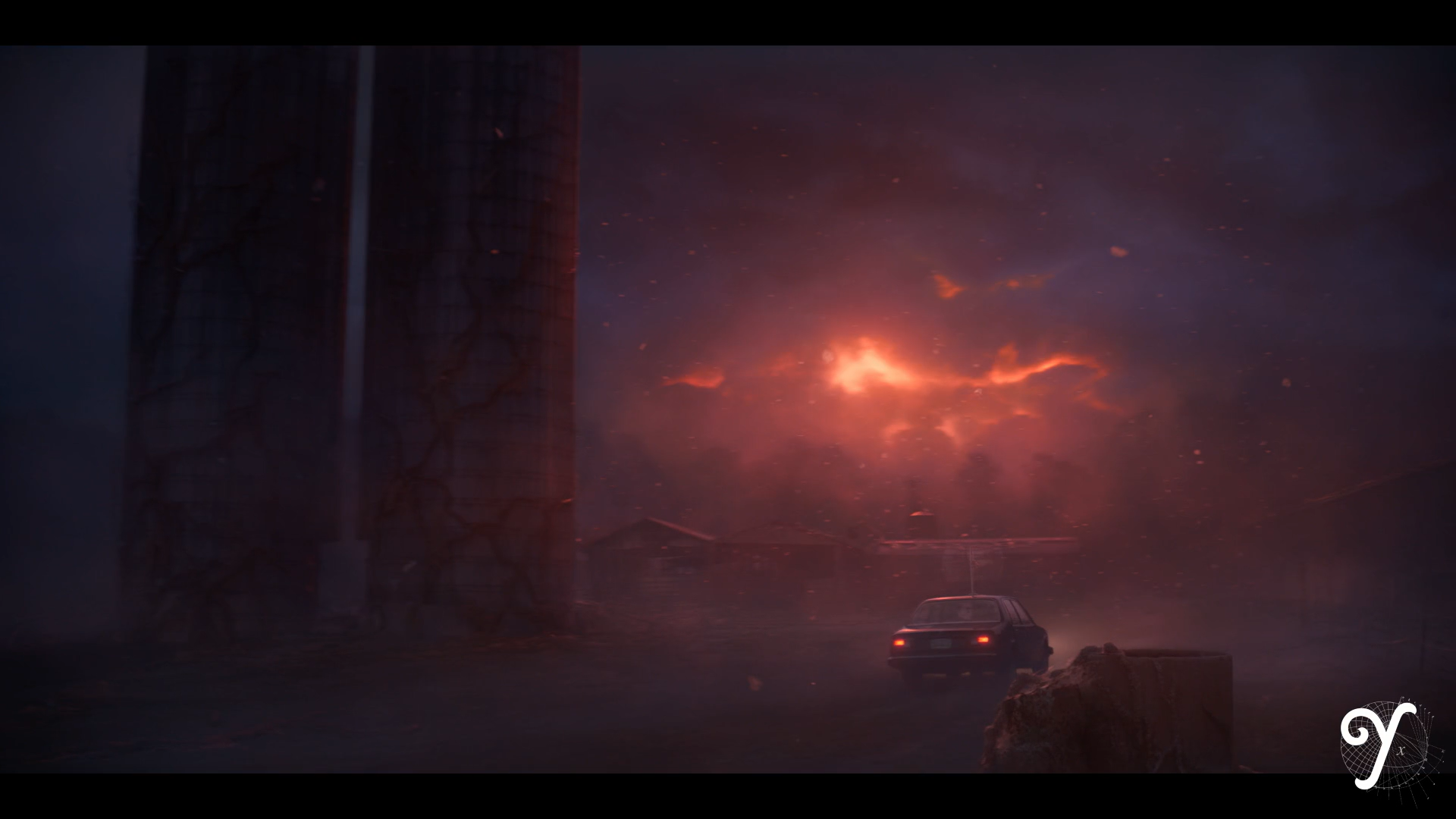
The organic ecosystem of the Upside Down also required careful orchestration:
- Vines were built procedurally under controlled distribution and growth patterns. Translucent slime shading were added so that vines could react correctly to directional light,
- Fog was built depending on the distance with static distant fog blended with cyclorama lighting and dynamic fog swirling around the moving vehicle to be visible through the headlights,
- Complex spore design and simulations tuned to avoid a snow or rain appearance under high camera speed,
- A dedicated element library was created to maintain continuity across angles — including windshield and wiper interaction in studio shots.
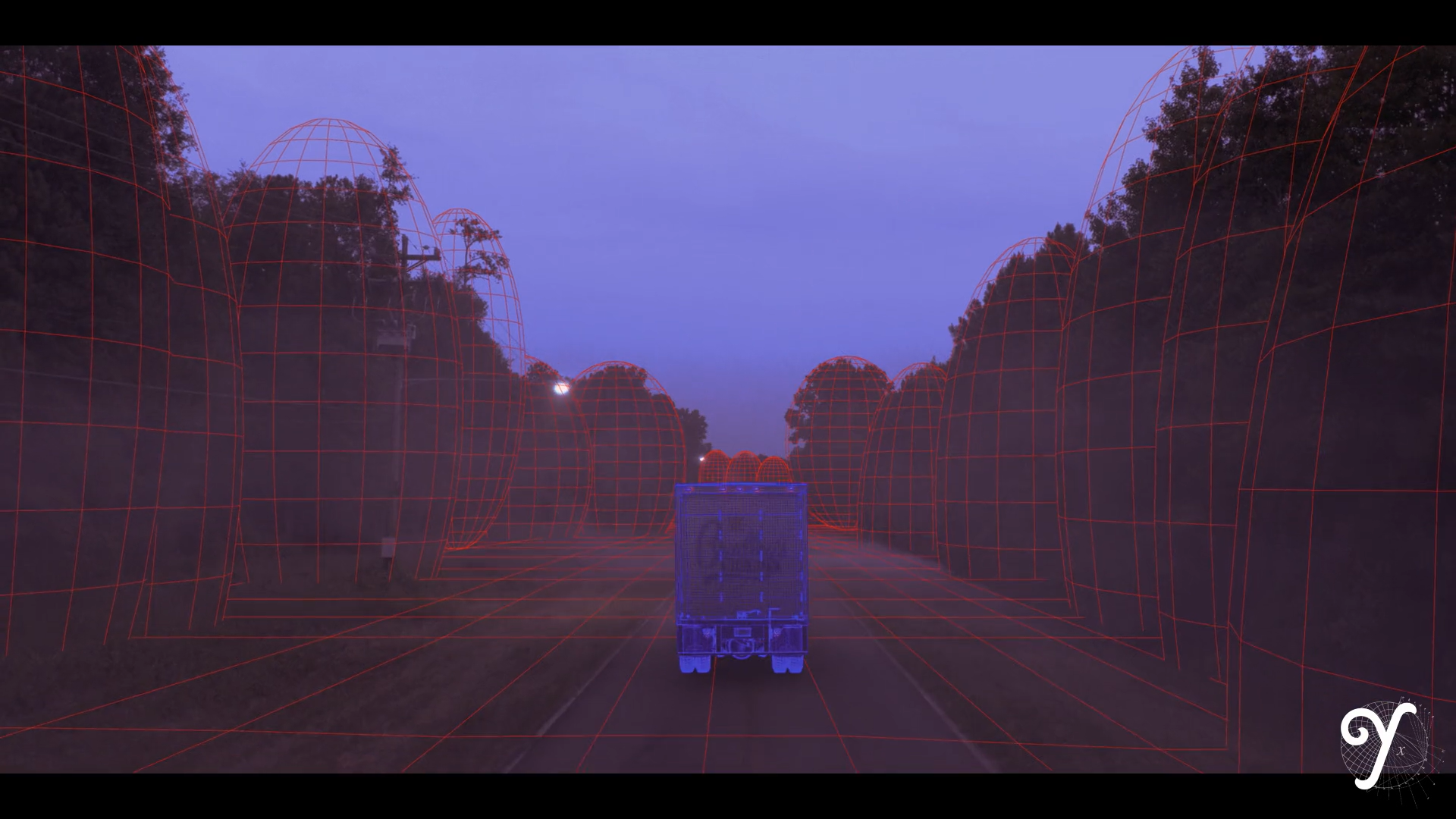
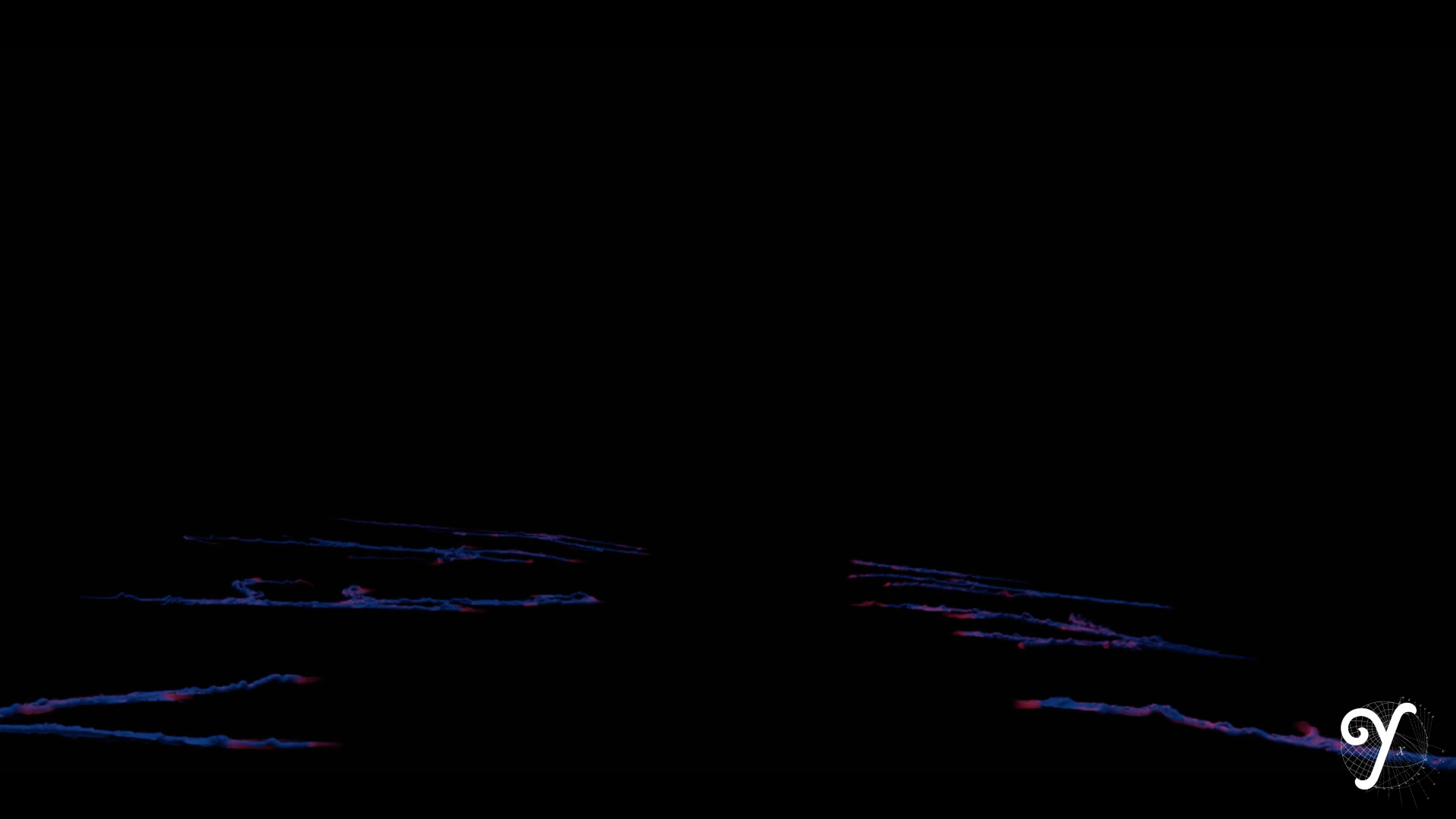
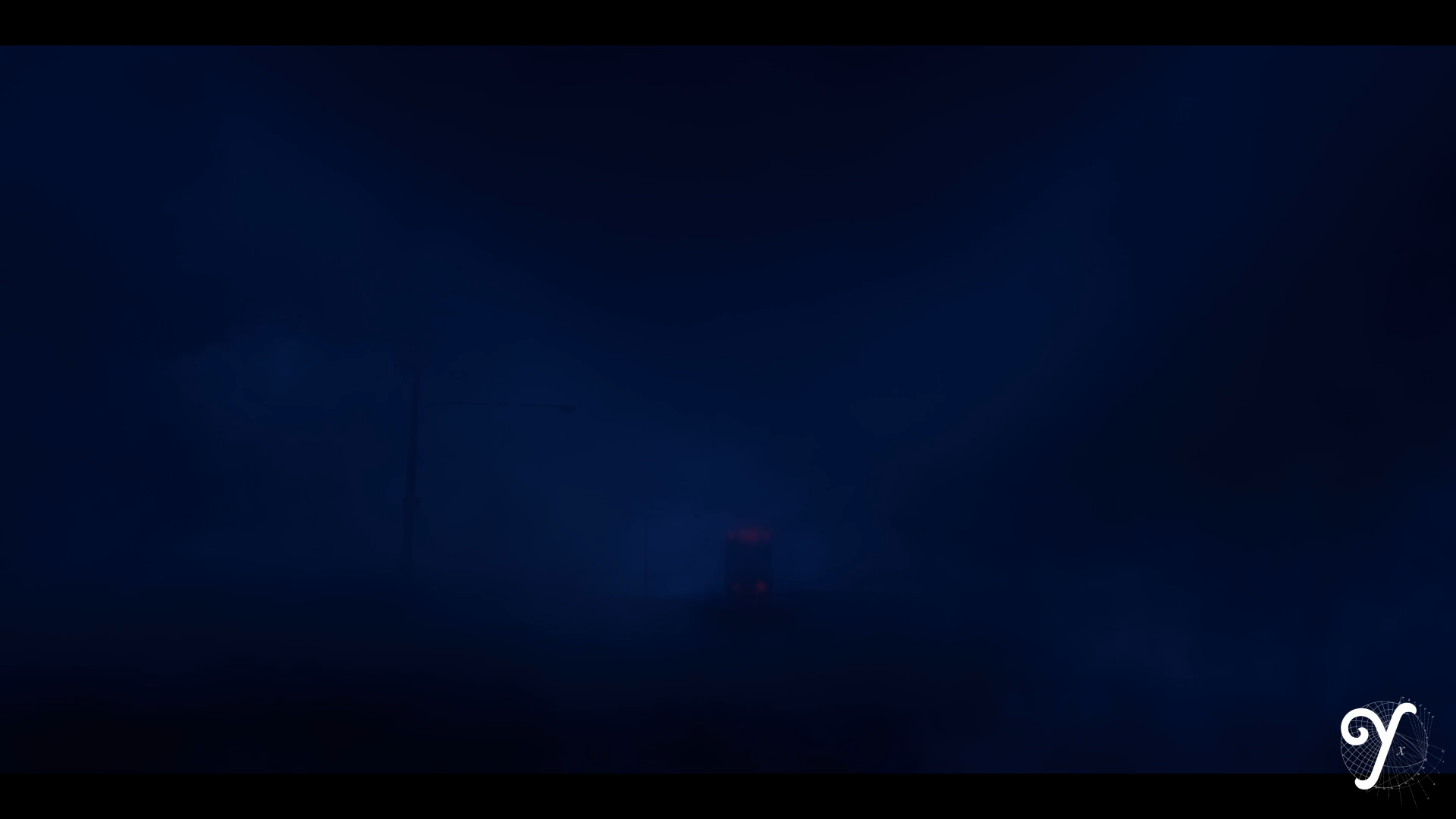
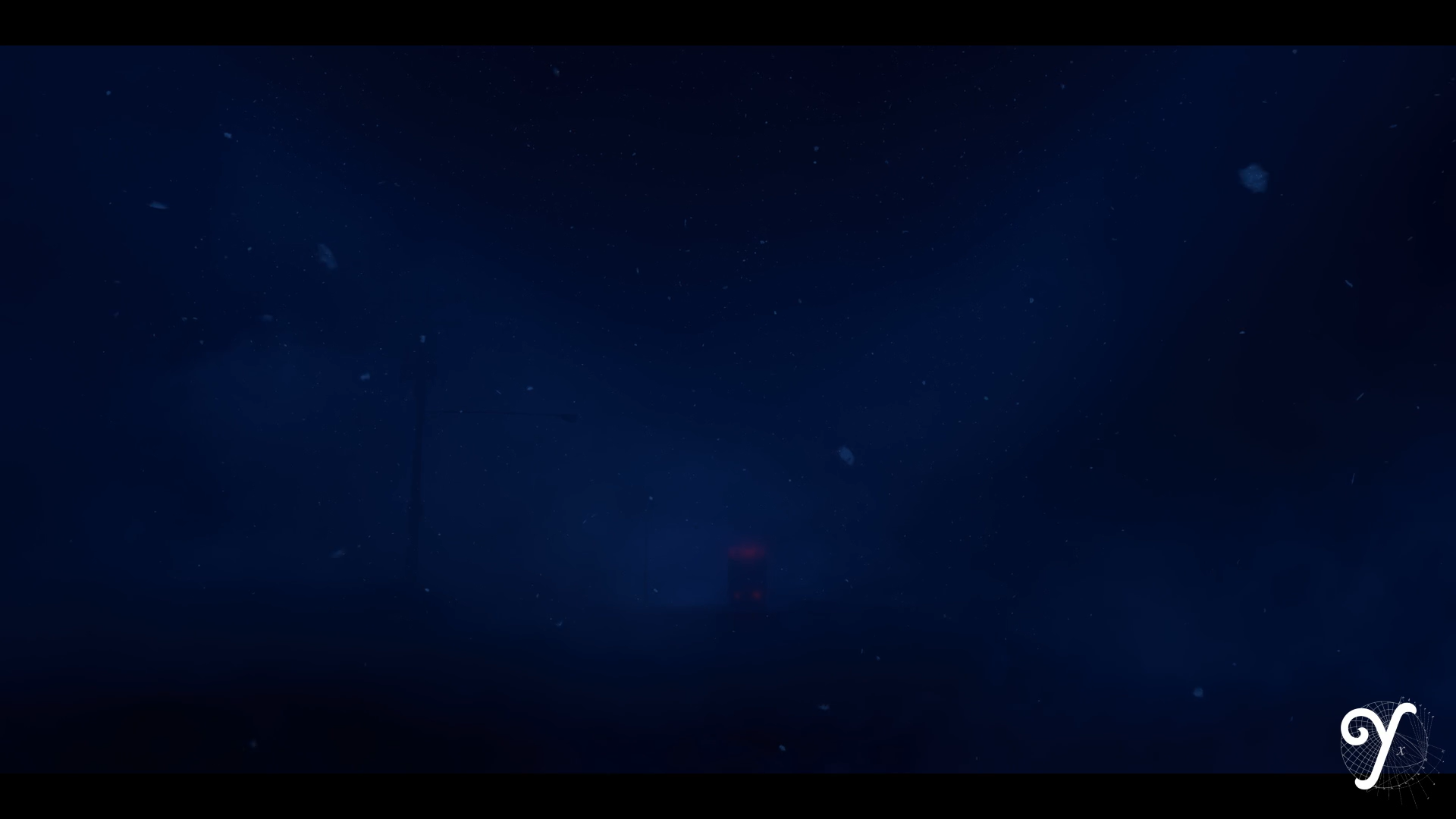
An additional technical challenge came from an organic membrane asset provided by Industrial Light & Magic. Due to pipeline and rendering differences, the asset had to be re-ingested, modularized, re-shaded and simulated in Houdini using Vellum to achieve the required deformation and visual consistency.
These sequences required not just realism, but emotional sensitivity. Lighting, texture and movement were often adjusted subtly to reflect character perspective rather than physical accuracy.
Designing consistency in mirrored realities
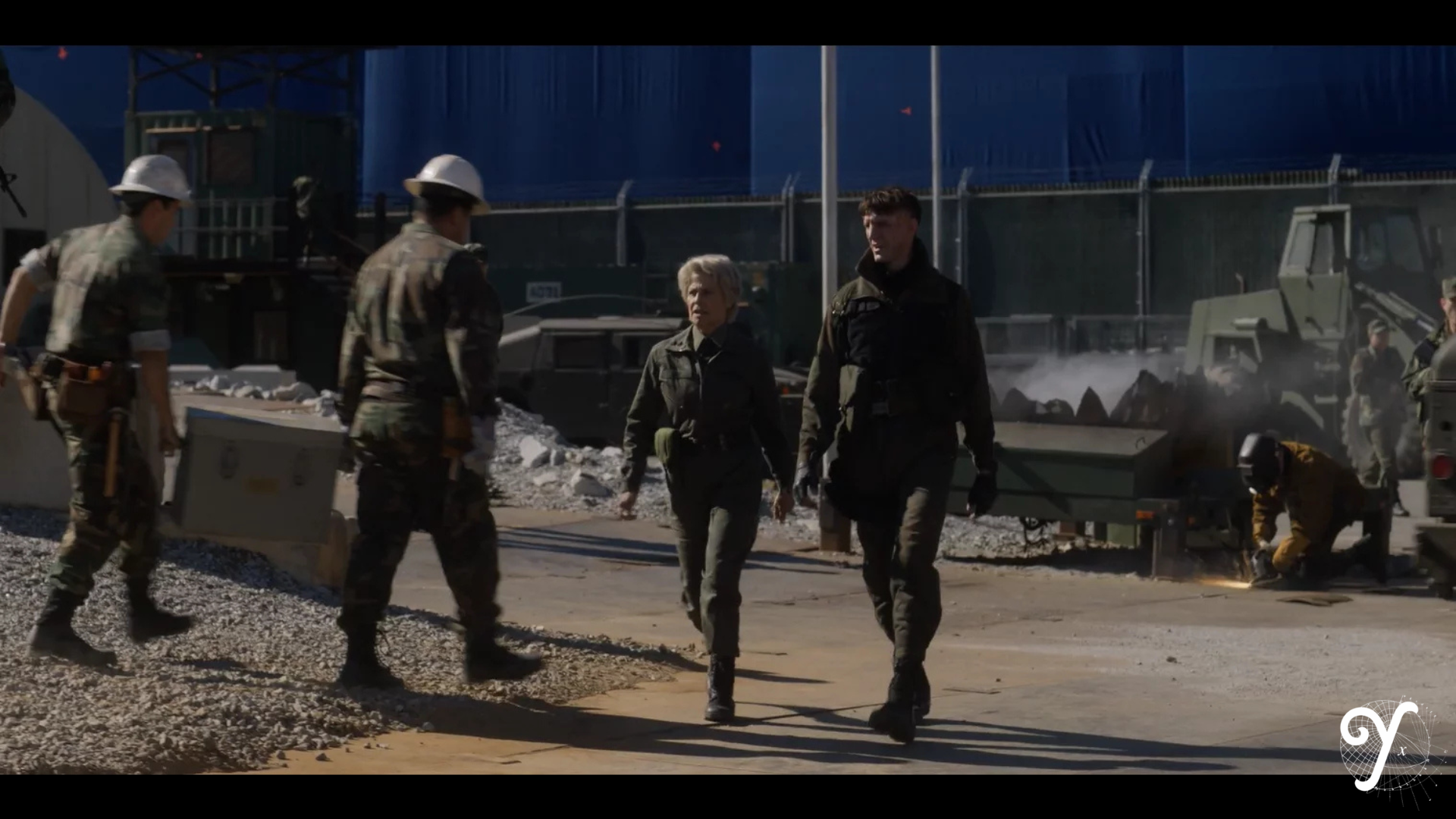
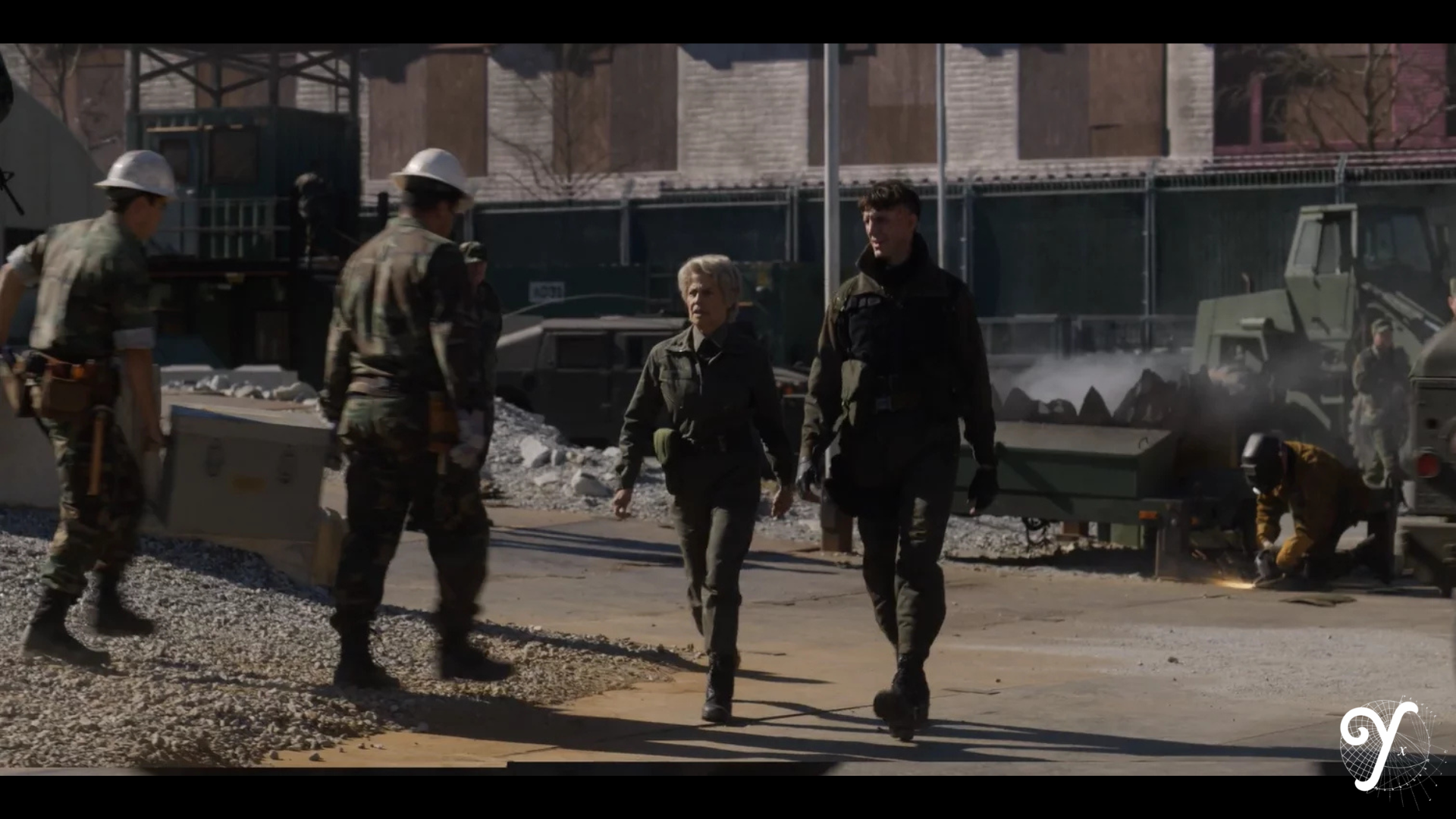
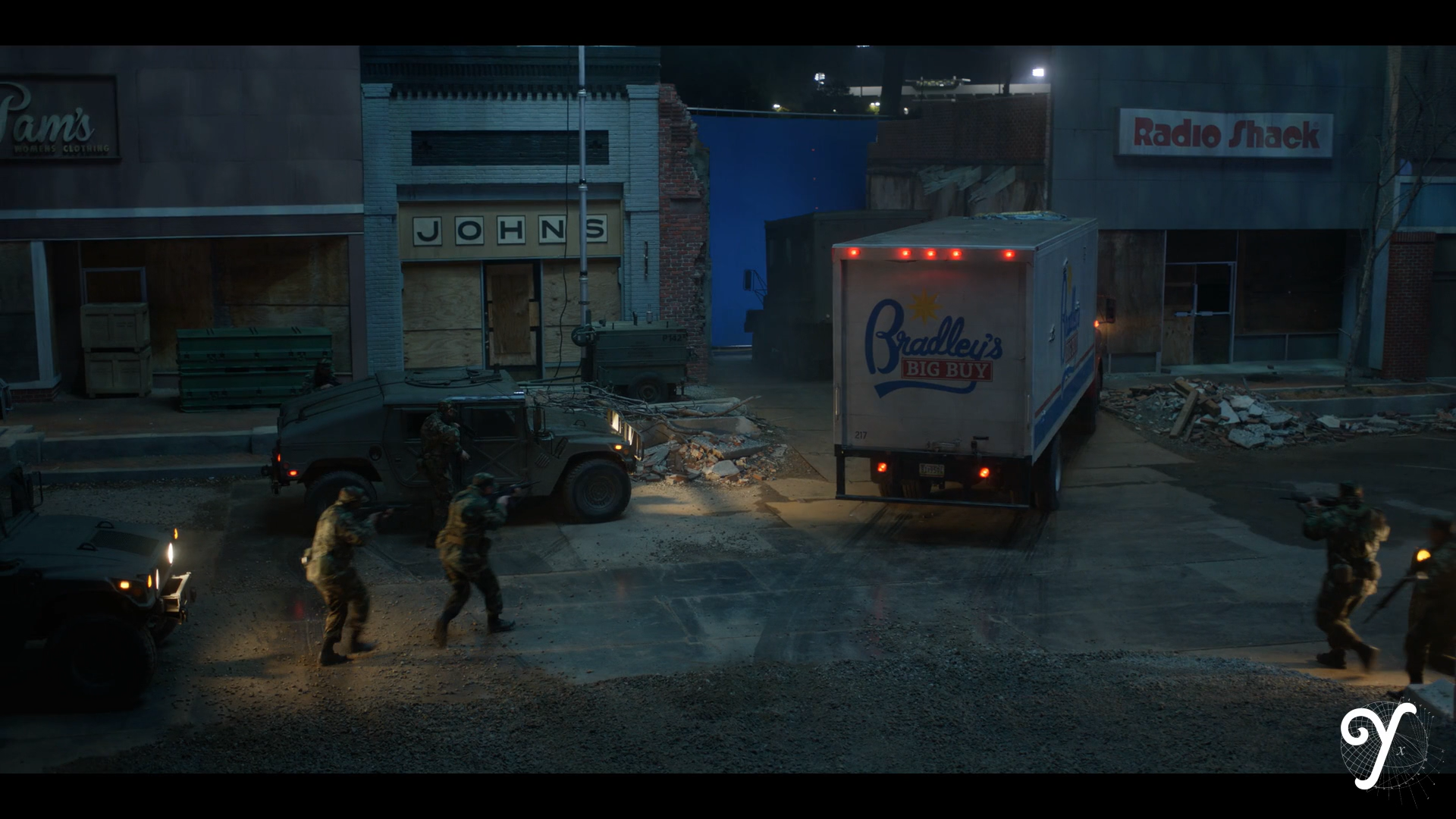
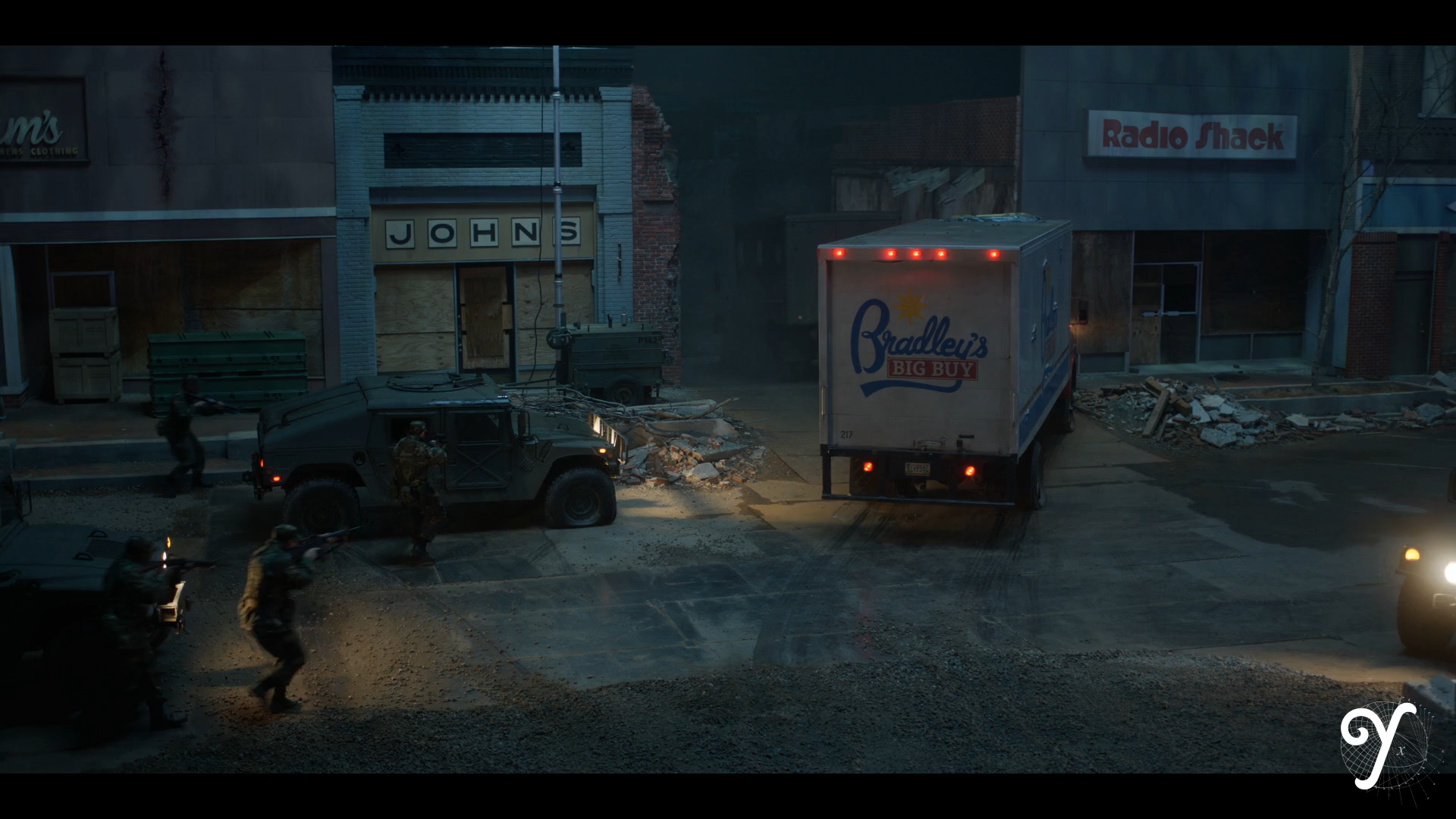
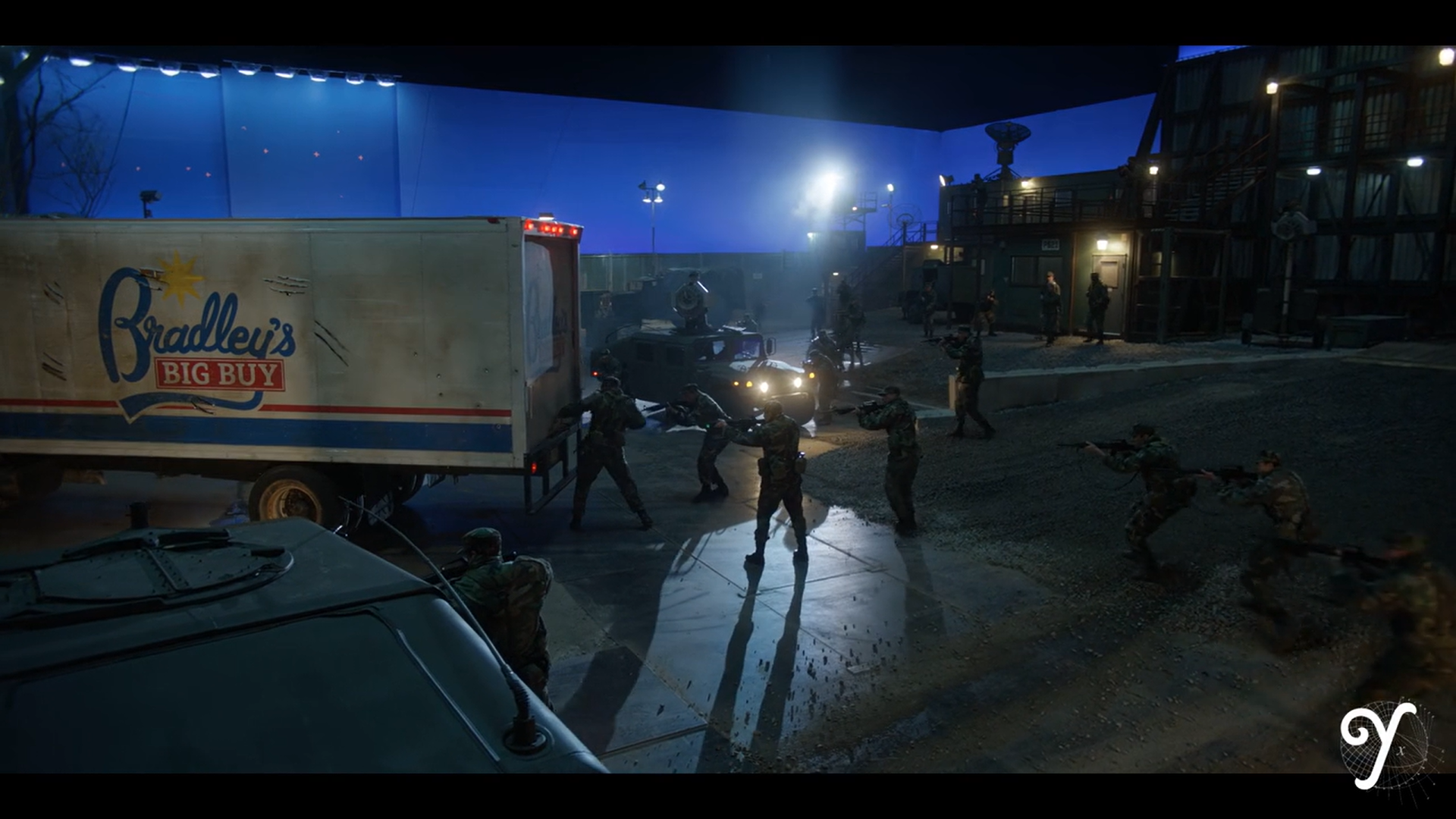
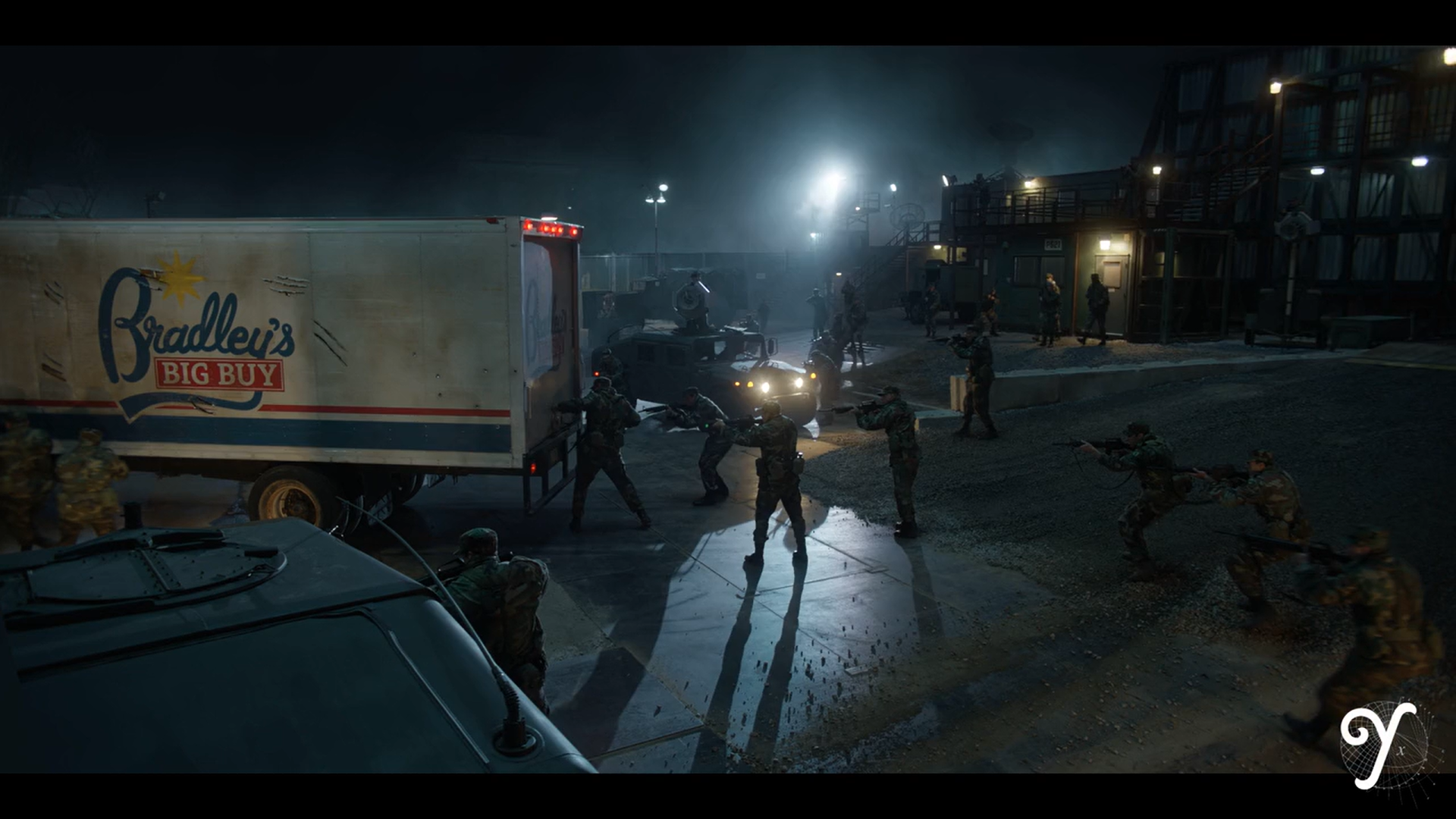
Throughout the series, locations exist in parallel states : the real world and the Upside Down. For Season 5 of Stranger Things, The Yard worked extensively on one of the most symbolically charged environments in both dimensions: the Military Access Control Zone (MAC-Z).
The MAC-Z serves as both a real-world military occupation site and a strategic gateway into the Upside Down. As such, it required absolute geographic and visual continuity across realities.
In the real-world sequences, seen in both daylight and night conditions, our team delivered CG set extensions to expand the practical town square build. Partially constructed buildings were digitally completed, along with the neighboring church, to create a cohesive and believable military perimeter when the heroes observe the zone from a distance.
In its Upside Down counterpart, the same geography needed to remain instantly recognizable, yet fundamentally altered by the organic elements that sets the Upside Down apart. The Yard followed its layered methodology for the fog, the spore simulations, the lightning and relighting passes.
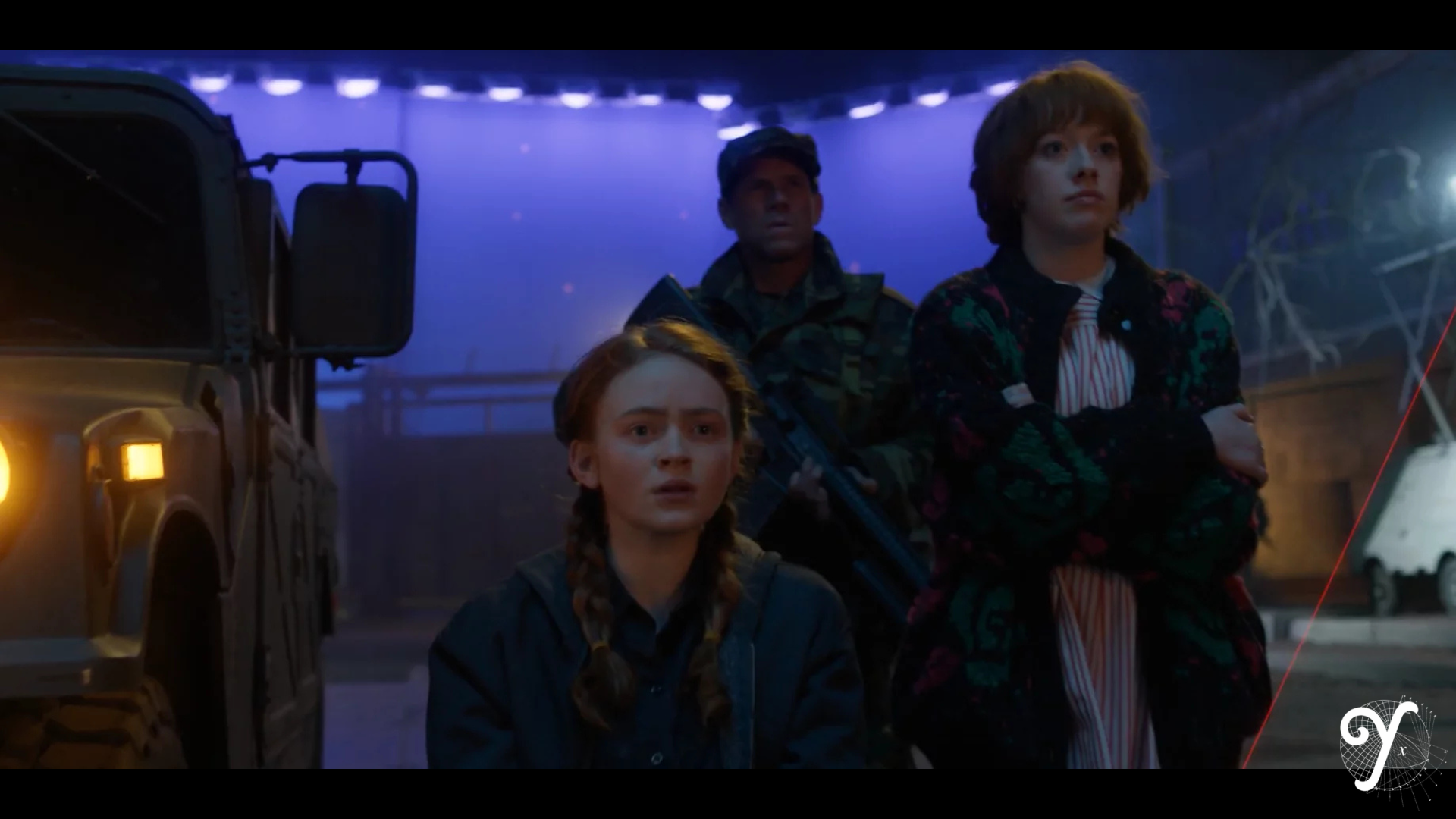
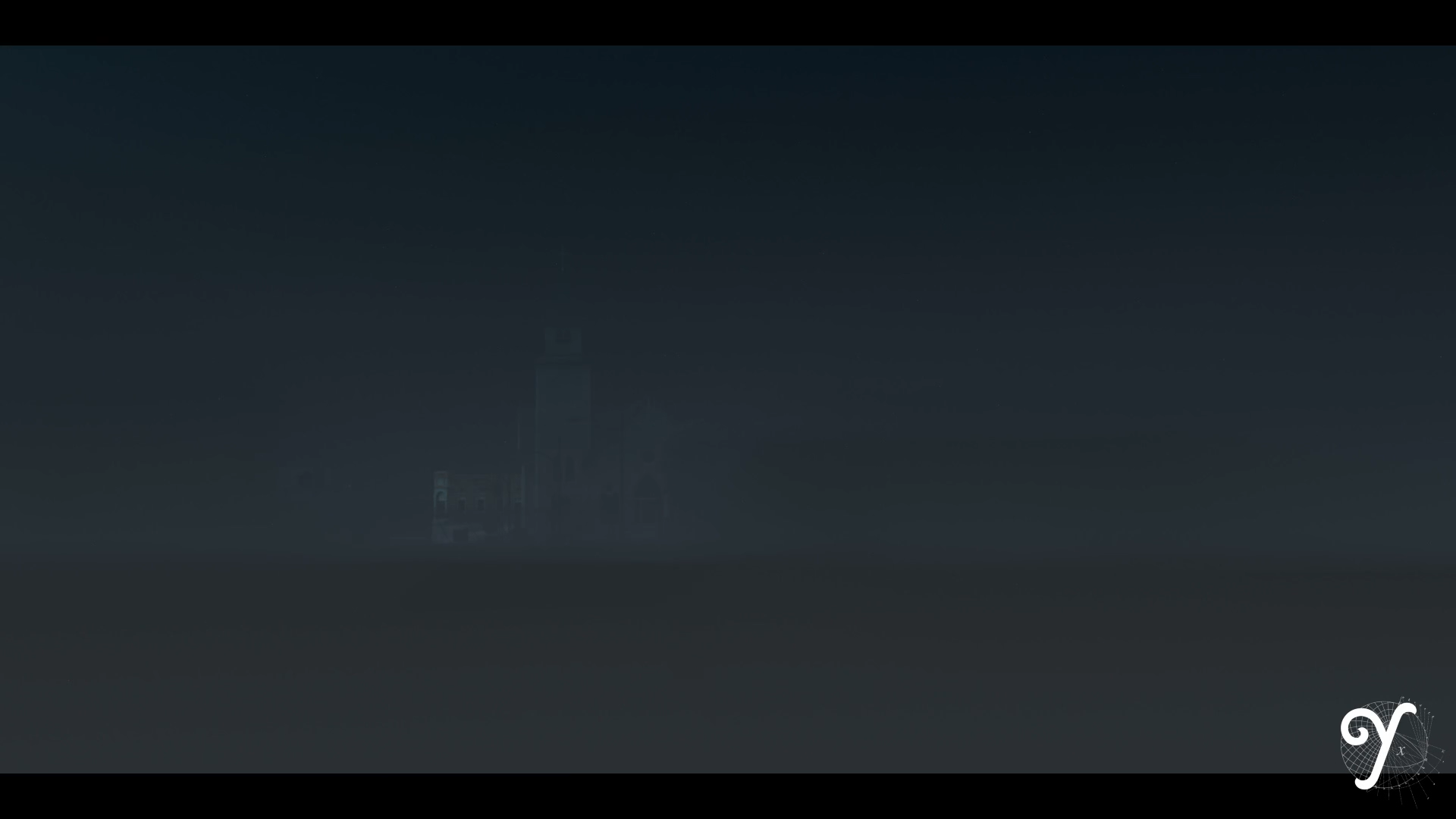
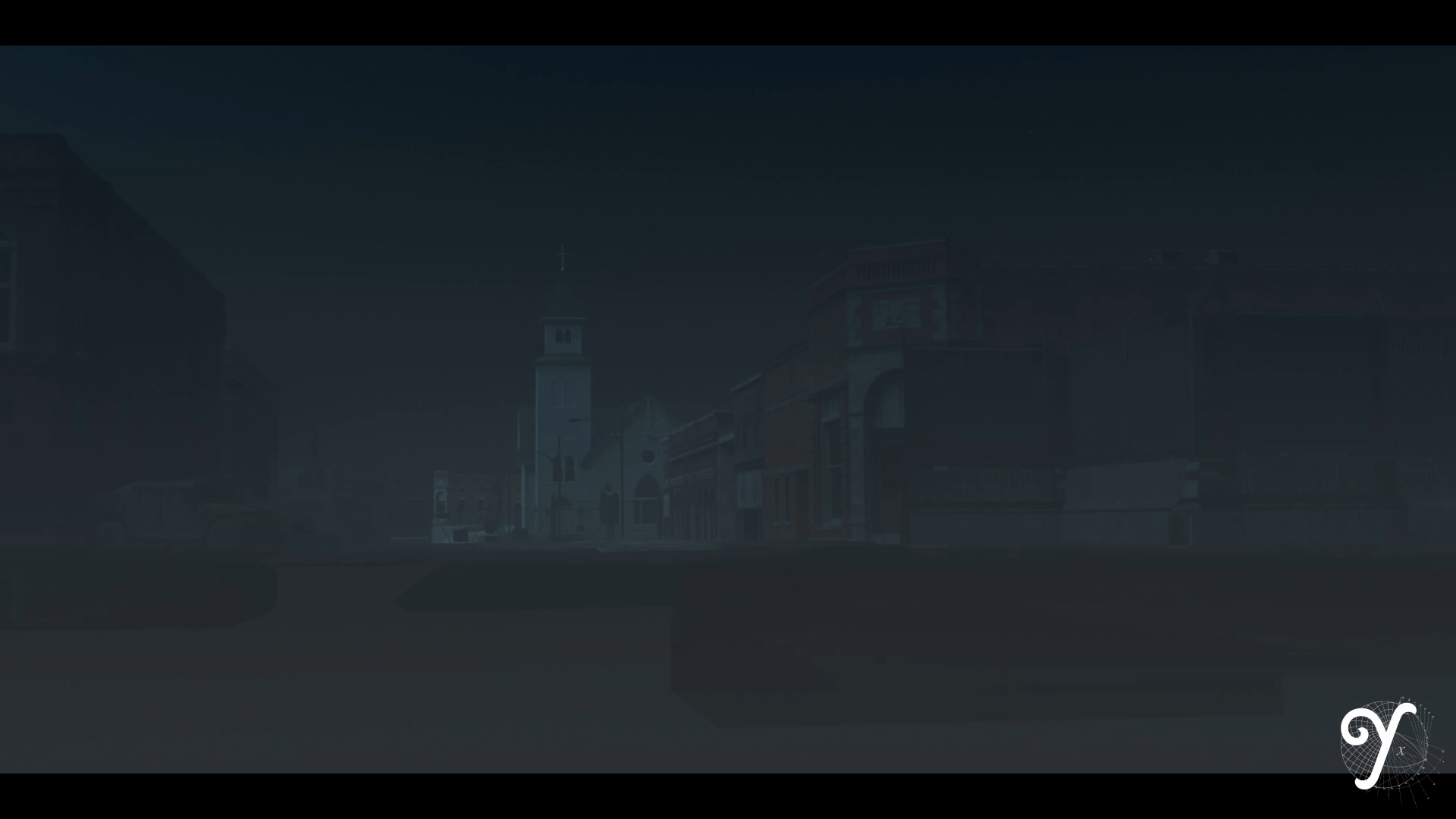
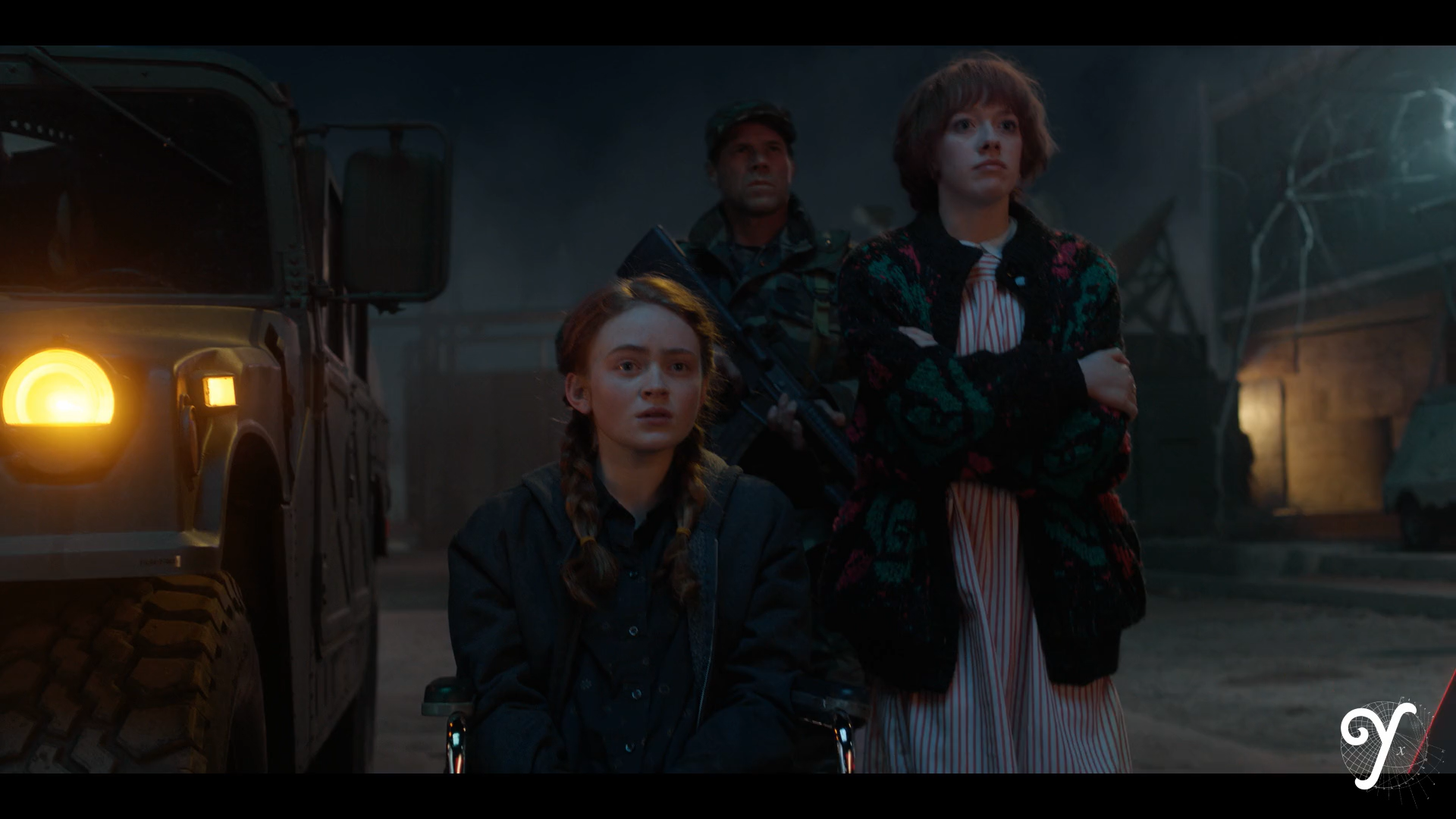
To support this continuity, The Yard received key assets from ILM that were ingested, and readapted to match the shooting requirements, retextured and reshaded to ensure visual consistency, while aligning with the established look and storytelling tone of the season.
Designing the MAC-Z ultimately meant maintaining a dialogue between worlds — preserving geographic memory while allowing each dimension to express its own physical and emotional logic.
Stylized Effects
Beyond large-scale environments and action sequences, The Yard also contributed to some of the season’s stylized moments such as :
- Binocular and spyglass point of view shots
- Travel in memories
- Vecna effects
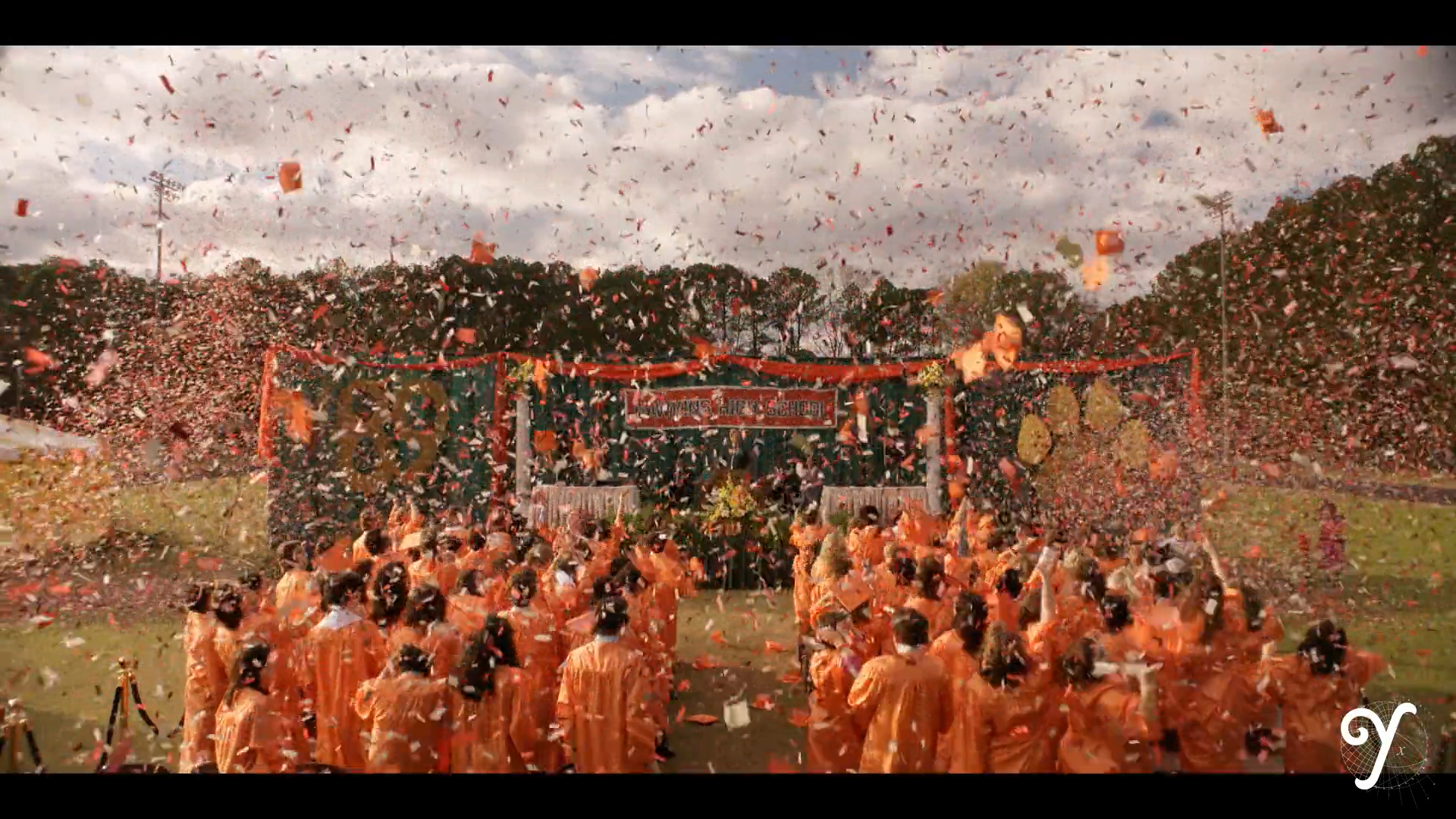
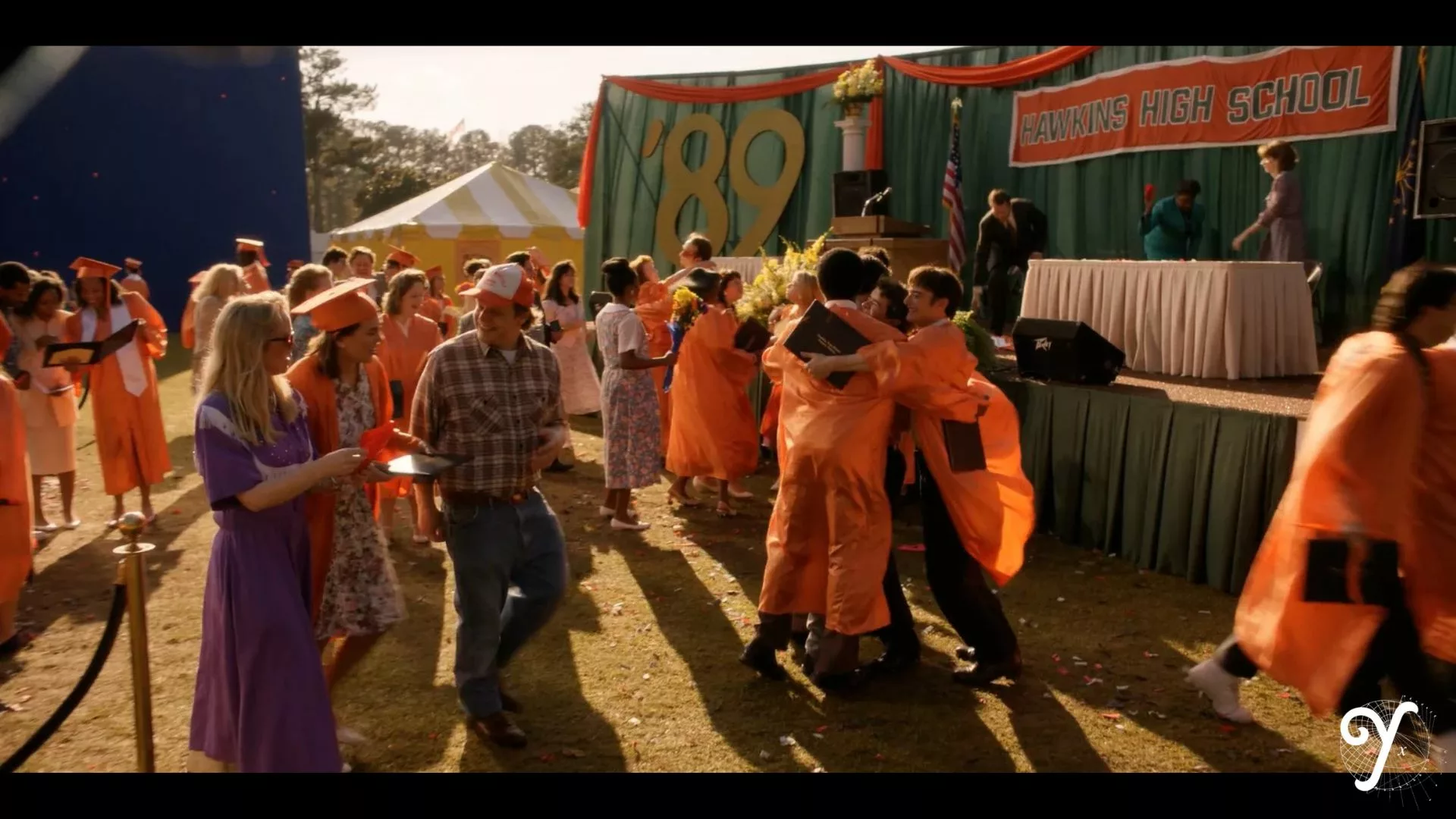
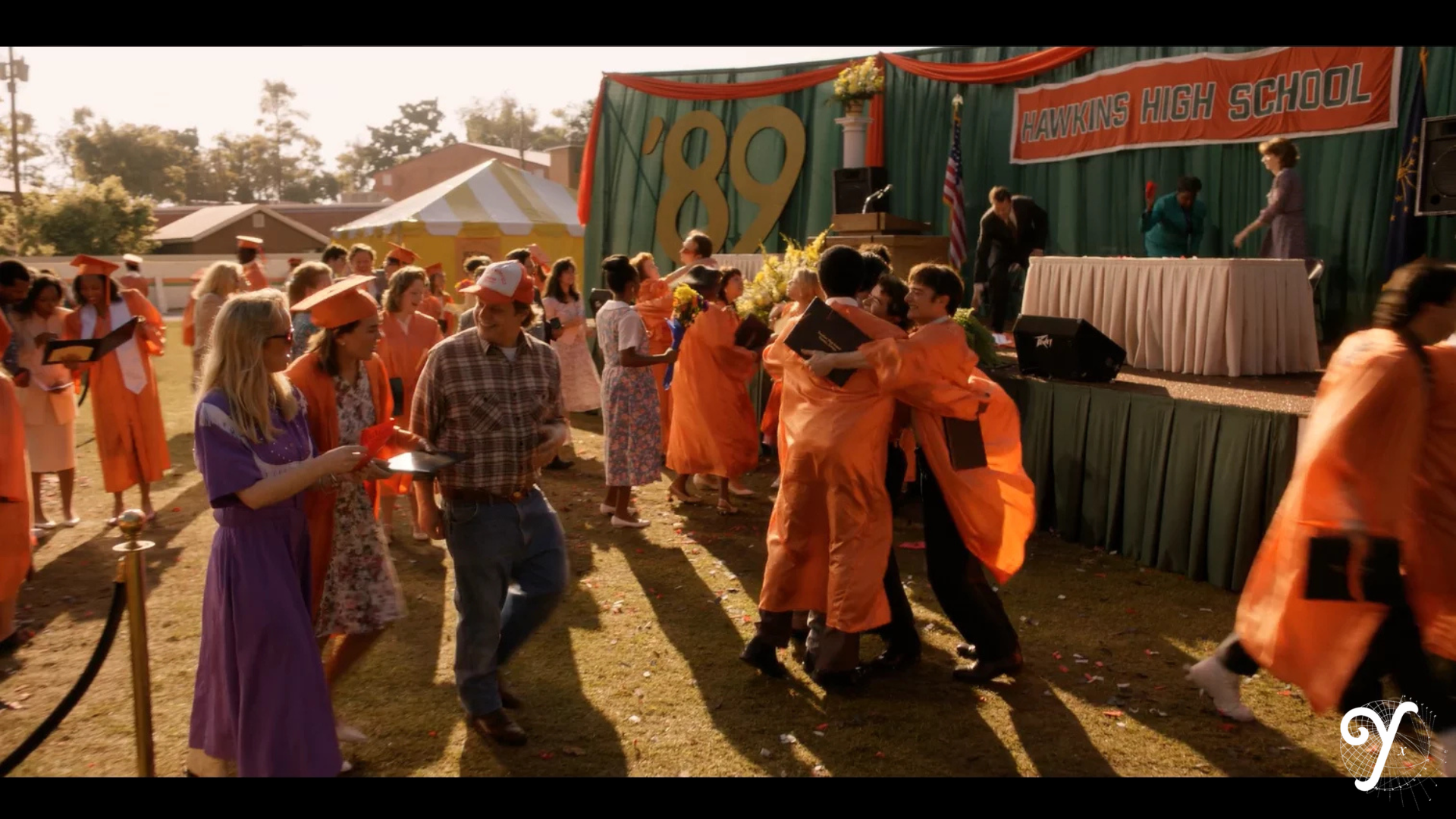
- The graduation ceremony
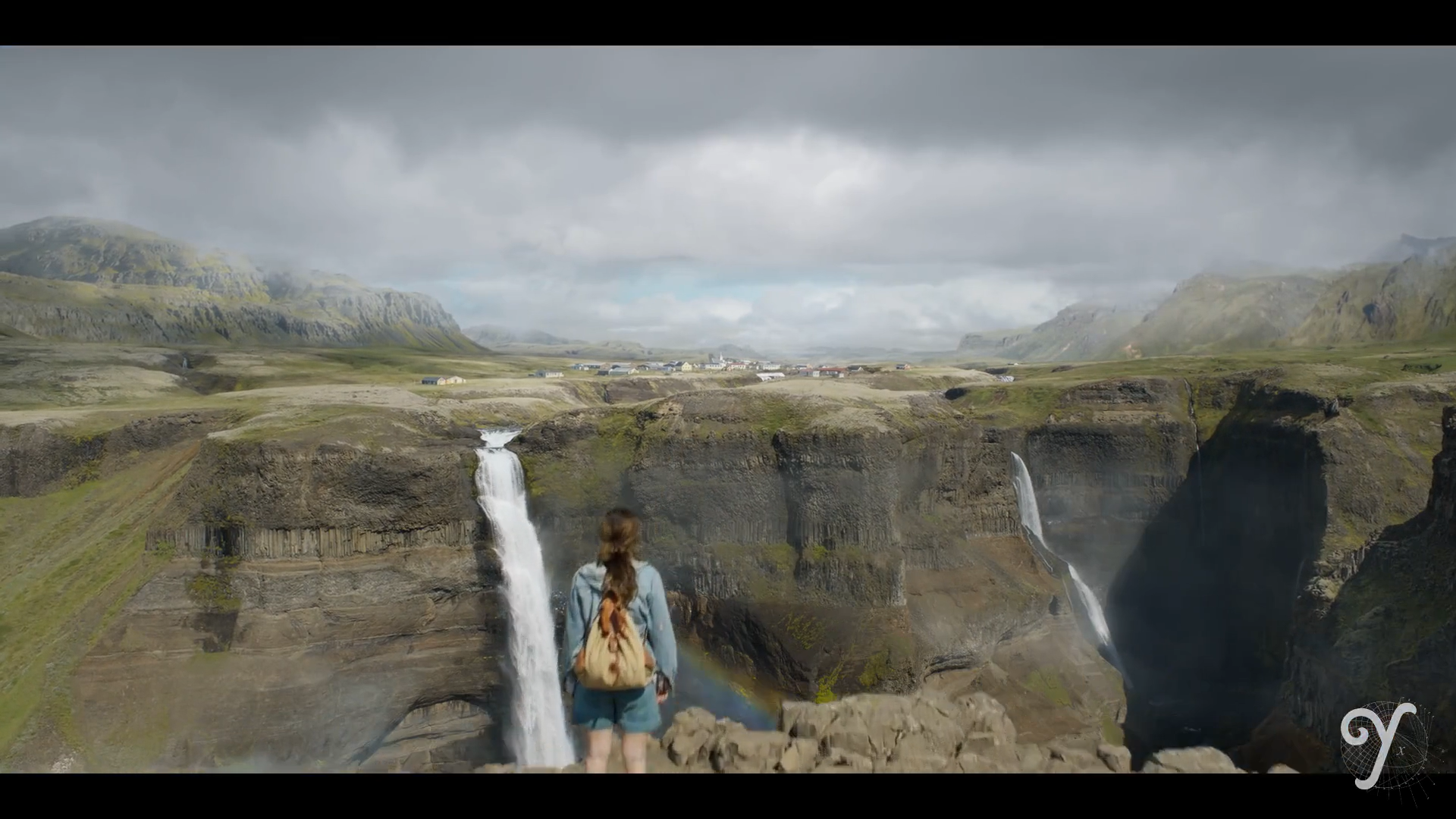
- The final Eleven shot with the waterfalls
These required FX-driven work.